
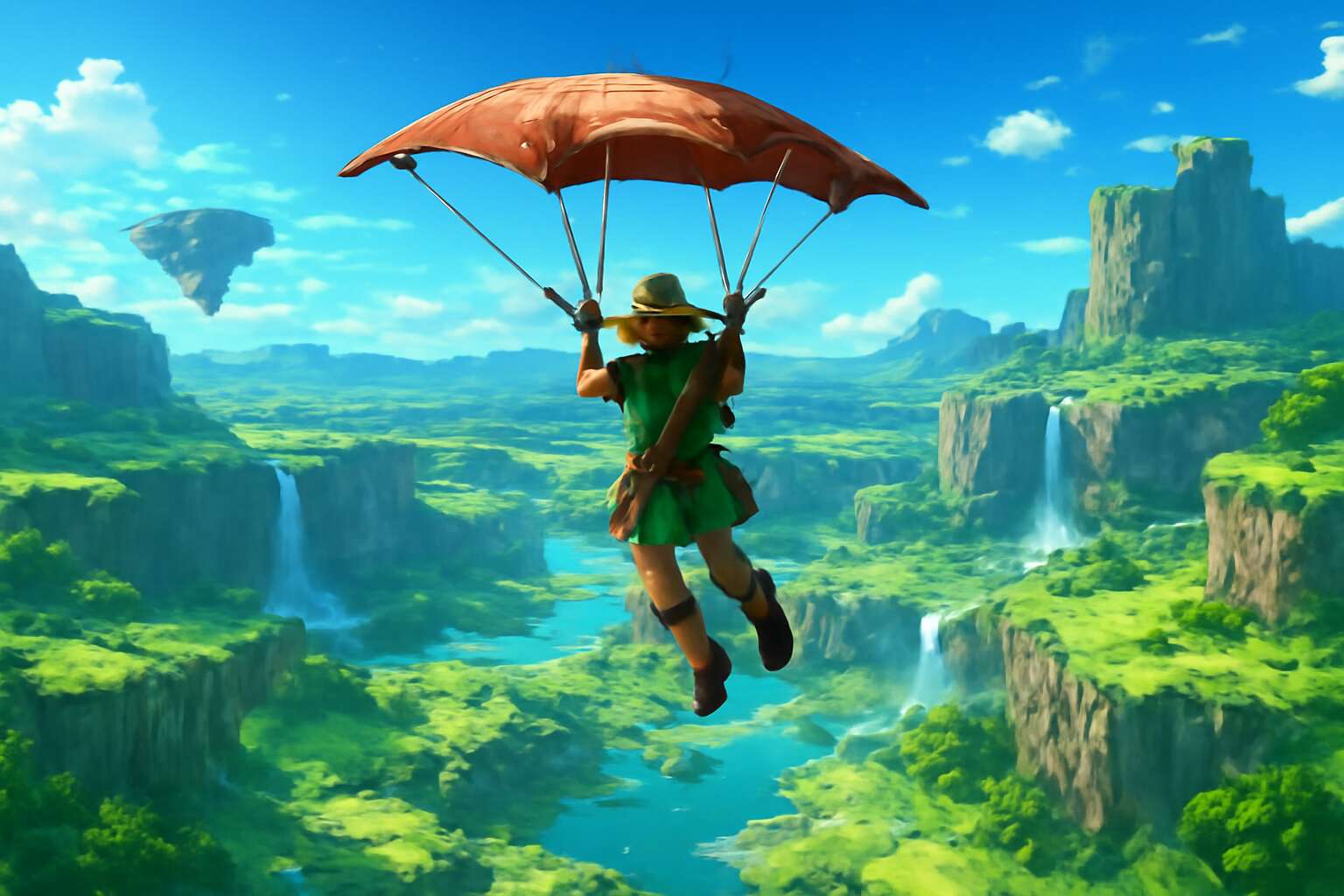
Glider in TOTK: Locations, mechanics, and optimization
What is the glider in TOTK
Gliding changes how you move in TOTK. In South Africa, gliding sessions extend exploration time by about 28%, turning leaps into deliberate routes rather than random drops.
It’s a portable vantage tool—perfect for scanning cliff faces, ruins, and sky islands. Master wind currents, lift, and glide angles to stay aloft and cover ground with intent.
For those wondering where glider totk fits into strategy, consider how elevation and terrain shape glide. The right routes maximize distance and visibility.
- Locations: high cliffs, towers, and sky islands
- Mechanics: takeoff, steering, and air currents
- Optimization: wind management and glide angle
Locations to acquire the glider
Across South Africa’s wind-swept escarpments, gliding extends exploration by around 28%, turning aimless drops into deliberate routes. So, where glider totk fits into strategy becomes a study of wind, height, and sight.
Locations to acquire the glider are crafted by the terrain itself: cliff faces catching a breeze, wind-sculpted towers, and airy sky islands.
- Cliff faces with steady lift
- Ancient towers near wind corridors
- Hovering sky islands above plateaus
Mechanics drift into poetry: takeoff becomes a lift of spirit, steering a conversation with air currents, a dance with the wind. Optimization arises when the breeze itself sketches the route—elevation, lift, and glide angle guiding your gaze toward distant horizons.
Glider upgrades and variations
In SA’s wind-swept stage, gliding doesn’t merely move you; it reframes distance—the horizon expands by about 28% as thermals cooperate with terrain. So, where glider totk threads into strategy becomes the study of wind, height, and sight.
Mechanics drift into poetry: takeoff is a lift of spirit, a quiet negotiation with air currents, a dance with the wind. Optimization arrives when the breeze sketches the route itself—elevation, lift, and glide angle guiding the eye toward distant ridges and plateaus.
Glider upgrades and variations turn motion into nuance. Some refinements enhance efficiency, others heighten visibility.
- Streamlined airframes for longer, gliding stretches
- Vivid canopies for better spotting and safety
- Adaptive stabilizers to smooth transitions between thermals
Tips and optimization for gliding
In the SA sky, the glider totk becomes a compass rather than a device. Wind swirls a new map into the air, and I watch the horizon stretch by about 28% when thermals join forces with terrain. So, where glider totk threads into strategy becomes the study of wind, height, and sight.
Mechanics drift into poetry: takeoff is a lift of spirit, a quiet negotiation with air currents, a dance with the wind. To answer where glider totk sits in your plan, think wind and height as co-authors. The optimization isn’t about brute speed but a choreography where elevation, lift, and glide angle sketch a route toward distant ridges and plateaus.
- Track thermals by terrain cues and wind shifts
- Manage altitude to sustain lift and maximize glide distance
- Fix your gaze on landmarks to craft a smooth route
Let the air write the rest.
0 Comments