
Glider Flight Fundamentals
Aerodynamics of gliding
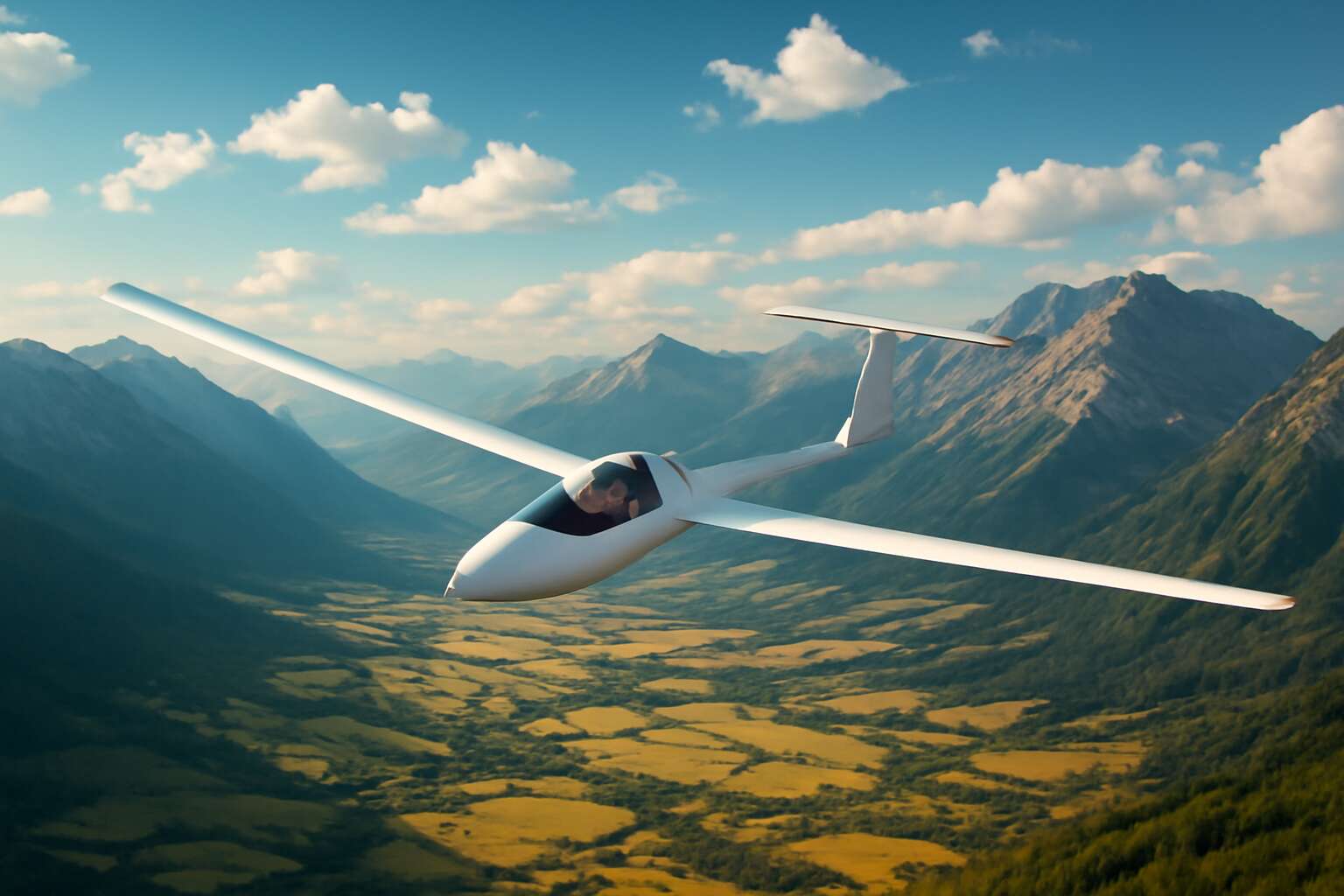
In the quiet hush above the escarpment, a sailplane makes the South African sky feel intimate. A glide ratio of 40:1 to 60:1 turns forward motion into a patient ballet. Are gliders hard to fly? Not if you start with lift, drag, and energy management.
Glider flight hinges on three ideas. Lift, drag, and gravity shape the ride. Energy management keeps you in smooth air.
- Lift, angle of attack, and how small inputs shift the balance
- Glide ratio, sink rate, and the discipline of efficient routing
- Stability and control—how pitch, bank, and yaw feel in your hands
From a first flight to a patient glide, I’ve learned to read wisps of wind and choose lines that keep me aloft. The Cape air reveals how the aerodynamics of gliding become a quiet conversation with the sky.
Wing design and performance
In the quiet hangar of a South African gliding club, wing design speaks softly to the pilot. are gliders hard to fly? Wing design and performance hold the answer in their careful curves and feather-light skins. High aspect ratio wings sip the air with minimal drag, turning elusive updrafts into steady progress. A tapered airfoil, a touch of washout, and gentle dihedral keep the wing honest in Cape thermals, preventing tip stalls as the day brightens. Lightweight composites and clean joints let the sailplane glide with hushed confidence, rewarding patient hands and a steady rhythm.
- High aspect ratio wings reduce drag for efficient climbing and gliding.
- Dihedral and washout deliver stable, predictable handling in variable winds.
- Spoilers and airbrakes offer precise glide-path control.
In these windswept plains, the wing design becomes a companion rather than a challenge, inviting a patient, earthy rhythm to rise with the day.
Lift and drag concepts explained
From the wind-swept strips of South Africa to the sunlit skies above the Karoo, lift sets the tempo. Gliders ride a delicate balance of air swept beneath their wings. The question remains: are gliders hard to fly. The answer lies in rhythm—lift meeting gravity in a patient waltz.
Lift arises as the wing deflects air downward, creating an upward push. At modest angles the craft climbs with grace; push the nose too high and the stall lurks. Drag follows—induced from lifting and parasite from speed—together shaping the glide ratio and the pilot’s energy plan.
- Lift and angle of attack
- Induced drag vs parasite drag
- Glide ratio and energy management
In South Africa’s clear air, these fundamentals soften the mystery—gliders feel almost sentient, listening to the sky instead of fighting it. With calm hands and a patient heart, the glide becomes a story you tell the air.
Glider stability and controllability
Across South Africa’s clear air, gliders slice patient arcs with glide ratios around 40:1 in steady conditions—a gentle testament to control over power. The question ‘are gliders hard to fly’ lingers, yet stability and controllability turn the craft into a refined dialogue with the sky.
Stability is the quiet backbone: long, slender wings with a touch of dihedral, a measured center of gravity, and a composed tailplane that dampens abrupt movement. When the controls are nudged, the response is steady, not racing, inviting a thoughtful, almost hinged relationship with the air. This is where elegance becomes practical—pilots learn to read the air, not fight it.
- Dihedral wings provide natural roll stability.
- Tailplane damping and trim keep the flight path smooth.
- Center of gravity and mass distribution tune responsiveness.
Launching and Sustaining Flight
Launch methods overview
South Africa’s dawn-lit skies offer a quiet bravura, where the glider tilts toward the wind like a patient dancer. ‘are gliders hard to fly,’ you ask? Not when the launch is treated as a ceremony—a precise tow, a first whisper of lift, a moment the air agrees with you.
Launch methods in practice form a concise trio that suits our landscapes:
- Winch launch: swift ground pull into air.
- Aerotow: tow behind a powered aircraft to the first lift.
- Self-launch: motor glider climbs under its own power.
Sustaining flight becomes a dialogue with air: riding thermals, timing turns, and reading cloud streets across the SA veld. Patience and perception turn a tentative launch into a long voyage.
Tow launch vs self-launch considerations
South Africa’s dawn-lit skies cradle a quiet bravura: gliders become patient dancers, coaxed aloft by careful hands. That question—are gliders hard to fly—dissolves when launch is treated as a ceremony, from precise tow to the first whisper of lift.
Tow launches, whether a swift winch or a patient aerotow, provide instant altitude and a clear path to thermals. Self-launch demands a motor glider’s climb and a cockpit that greets air with gearing and endurance. Which path suits your veld-wind rituals?
Once aloft, sustaining flight becomes a dialogue with air: riding thermals, timing turns, and reading cloud streets across the SA veld. Patience and perception turn a tentative launch into a long voyage, where the glider answers with grace and quiet speed.
Soaring techniques and thermals
In South Africa’s pale dawn, the air tastes of possibility. The question “are gliders hard to fly” hangs in the dawn air, yet the answer dissolves when you hear the sky breathe: patience, timing, and the quiet pull of lift.
Launching becomes a ritual, but once aloft, soaring is a dialogue with air. Thermals drift in like warm currents; cloud streets mark paths; the wing drinks the lift and whispers back with steady speed. You ride the air’s mood, calm and curious.
- Birds circling in rising air, a telltale sign lift is building
- Well-formed cloud streets sketching a lane for the glider
- Consistent, gentle bank and speed sense that tells you lift is yours to read
Every glide becomes a quiet voyage over the veld, rather than a sprint; the sky chooses its own pace, and the glider answers with grace.
Energy management and flight duration
People ask, ‘are gliders hard to fly’—in South Africa, launching is a ceremony of focus and breath, and energy management begins before you clear the hangar door. You learn to treat weight, angle, and air as a choir softly tuning to your request. The dawn answers with lift, and you follow its tempo, not your ego.
Once aloft, sustaining flight becomes a quiet negotiation: pace your speed, hunt the line of climb, and time your transitions to conserve energy for the next lift. Every choice shapes how long you stay aloft and where your shadow falls on the veld.
- Balance energy and airspeed to maximize duration
- Read rising columns and cloud streets for efficient routing
- Minimize abrupt changes in bank to keep momentum
The sky becomes a patient partner; with disciplined rhythm, the glider becomes a vessel for introspection, a witness to how time expands when we wait for lift.
Piloting Techniques and Controls
Coordinated use of rudder, aileron, and elevator
Gliding rewards precision. ‘Small inputs, big results,’ a veteran pilot likes to say. In the air, inputs translate into changes in the glide. Many ask are gliders hard to fly, and the answer lies in coordinated use of rudder, aileron, and elevator to keep the aircraft balanced and predictable.
Rudder helps align the nose with the travel direction, while the ailerons produce a gentle roll and the elevator manages pitch and speed. When these controls are used in concert, the glider responds with smooth, confidence-boosting authority. In South Africa, skies open wide, welcoming that coordinated feel.
- Rudder helps align the nose with the flight path as you steer
- Ailerons produce a balanced roll, avoiding sudden bank
- Elevator cues speed and pitch, preventing overshoot
The feel comes from experience and subtle feedback from the air. With good coordination, the aircraft breathes with you, turning a potential challenge into a graceful, controlled ride.
Trim and speed management for efficiency
In the quiet cockpit, a whispered line asks: are gliders hard to fly? The answer arrives as trim becomes a trusted ally, tuning the ship to sing at a chosen speed across South Africa’s sweeping horizons.
Trim and speed management are the quiet engines of efficiency. A well-trimmed glider holds a steady attitude, reducing fine stick work and letting the air do the heavy lifting. By selecting a speed that minimizes sink while preserving forward progress, you extend flight life with grace.
When the air shifts, these steps keep the flow intact:
- Set trim for weight and configuration to balance lift and drag;
- Maintain a pace that yields the best glide ratio without sacrificing responsiveness;
- Revisit trim after every thermal interaction to sustain a calm, predictable ride.
Fundamental maneuvers for beginners
In South Africa’s airspaces, a question rings out among beginners: are gliders hard to fly? The answer surfaces when fundamentals stay simple and the cockpit becomes a calm workspace.
Piloting techniques and controls for newcomers hinge on smooth hands and steady observation. Start with core skills that build confidence!
- Coordinated control: smooth rudder, aileron, and elevator inputs
- Pitch and energy awareness: maintain a comfortable airspeed and glide angle
- Situational observation: scan for terrain, weather cues, and traffic
With time, posture and anticipation become second nature. South African clubs offer spaces where patients can read wind shifts and keep the craft steady.
Stall awareness and recovery in gliders
Are gliders hard to fly? Not when stall awareness becomes a habit that quietly guides the hands. In South Africa, where friendly thermals drift along the veld and clubs nurture calm pilots, beginners quickly learn that confidence rises with a steady nose and a watchful eye on speed.
Piloting techniques hinge on subtle, precise inputs and a sane energy plan. You listen to the air’s whispers, maintain gentle pitch, and let observation steer the craft away from turbulent pockets and awkward attitudes. Stall awareness sits at the center of that discipline; as you sense the approach of a stall, you keep the glide smooth and the head up.
- Declining indicated airspeed and a rising nose relative to the horizon
- Buffet or vibration as airflow separates
- Mushy controls signaling decreasing dynamic pressure
- Audible cues from the air and canopy noise
With time, these cues become second nature, and the sky settles into a confident, unflustered rhythm.
Altitude and traffic awareness in practice
In South Africa, altitude awareness isn’t a mystery; it’s a habit pilots nurture from the first glide. are gliders hard to fly? Not when altitude becomes a quiet compass—steady airspeed, gentle pitch, and a patient read of the sky. With the nose calm and eyes on the altimeter, the flight slips into a graceful rhythm!
Piloting techniques hinge on subtle inputs and a sane energy plan. You listen for the air’s whispers, balance rudder and elevator with a light touch, and watch traffic like a hawk over a veld. Altitude and traffic awareness in practice keep the glider within graceful bounds, letting the horizon referee chaos.
From the South African skies to quiet club mornings, the craft settles into a confident rhythm when awareness leads. The more you listen, the more uplook becomes second nature, and the glide gains economy, patience, and a wink from the wind.
Safety, Training, and Certification
Finding qualified instructors and training progression
In South Africa’s open skies, safety isn’t luck—it’s a practiced discipline. Pre-flight checks, weather awareness, and clear ground communication anchor every flight, turning risk into reverence for the quiet art of gliding.
Training unfolds as a careful dialogue between mentor and student. Finding qualified instructors and a steady progression matters most, because the question are gliders hard to fly fades when guidance comes from seasoned clubs, patient coaches, and a generous safety culture.
- Foundations in theory and ground handling
- Supervised solo flights and club endorsements
- Progressive cross-country exposure and assessment
Certification echoes a maturity in the air: ongoing evaluations, club-based endorsements, and regional oversight ensure pilots remain current. In South Africa, the path blends practical flight hours with safety audits, ensuring every glider remains more than a machine—it becomes a trusted partner.
Preflight checks and risk assessment
Safety isn’t luck in South Africa’s open skies—it’s a practiced discipline. A veteran instructor whispers, “Safety is a practice, not a feeling.” Preflight checks and risk assessment anchor every flight, turning the unknown into reverence for the quiet art of gliding. The question “are gliders hard to fly” fades when guidance comes from seasoned clubs and patient coaches.
Training unfolds as a disciplined dialogue between mentor and student, with safety woven through each exchange. The sky seems to keep its secrets, but the right framework makes them legible.
- Preflight weather assessment and risk visibility
- Ground handling, crew communication, and cockpit preparation
- Equipment checks, weight balance, and control responsiveness
Certification echoes a maturity in the air—ongoing evaluations and club endorsements ensuring pilots stay current. In South Africa, the path blends practical flight hours with safety audits, so the glider becomes a trusted partner, not merely a machine.
In-flight safety procedures and decision making
“Safety is a practice, not a feeling,” a veteran instructor reminds us as the hangar glows at dusk. In flight, in-flight safety procedures and decision making become the quiet conversations between pilot and crew—signals, checks, and a calm willingness to yield to the sky’s mood.
- clear crew communication
- altitude awareness and space for others
- emergency readiness without panic
Training unfolds as a disciplined dialogue between mentor and student, a path that makes the question are gliders hard to fly dissolve into curiosity. South Africa’s clubs blend patient coaching with hours in the chair and in the air, turning potential uncertainty into practiced grace.
Certification marks maturity in the lift of the air—ongoing evaluations and club endorsements keep pilots current. In this open-sky nation, the glider becomes a trusted partner, not merely a machine.
Certification paths and regulatory basics
“Safety is a practice, not a feeling,” a veteran instructor reminds as the hangar glows at dusk. In South Africa, that mindset shows in meticulous preflight checks, altitude awareness, and clear crew communication. When the question “are gliders hard to fly” arises, safety routines turn curiosity into calm confidence.
Training unfolds as a disciplined dialogue between mentor and student, blending patient coaching with hours in the chair and in the air. South Africa’s clubs mix theory with hands-on practice, teaching energy management, traffic vigilance, and cockpit discipline—demystifying the aircraft and inviting steady progress!
Certification paths and regulatory basics anchor progress. Ongoing evaluations and club endorsements mark readiness, while licensing fundamentals, airspace rules, and recurrent awareness keep pilots current. In SA’s open skies, the glider becomes a trusted partner, not merely a machine.
Glider Types, Equipment, and Resources
Overview of glider classes and performance ranges
In the dawn hush over South Africa’s veld, a glider climbs on air like a quiet promise. Some wonder: ‘are gliders hard to fly’—but the truth unfolds when you pair the right class with the right gear.
Gliders divide into three approachable groups: training ships with forgiving handling, standard and 15-meter sailplanes for steady efficiency, and open-class machines built for long cross-country flights. This spectrum lets clubs tailor progression to terrain and skill.
- Training gliders with forgiving controls
- Standard and 15-meter sailplanes for steady efficiency
- Open-class gliders for long cross-country flights
Equipment matters—harnesses, helmets, and tow-release gear are basics that empower safe practice. In South Africa, Gliding SA affiliated clubs and local manuals provide accessible resources for both newcomers and seasoned pilots.
Cockpit instrumentation and ergonomics
Gliders come in three approachable families: training ships with forgiving handling, standard and 15-meter sailplanes for steady efficiency, and open-class machines built for long cross-country flights. People often ask: are gliders hard to fly — the real answer depends on class and gear, and South African clubs tailor progression to terrain and skill.
Equipment matters. Harnesses, helmets, tow-release gear set the baseline for safe practice. Cockpit ergonomics matter too: comfortable seating, clear sightlines, and intuitive instrumentation keep you relaxed in the air. Typical cockpit instruments include the following:
- Variometer (rate of climb)
- Airspeed indicator
- Altimeter
- Compass or heading indicator
Resources and training: In South Africa, Gliding SA affiliated clubs and local manuals provide accessible resources for newcomers and seasoned pilots.
- Club training days and practice sorties
- Local manuals, checklists, and safety briefings
- Instructors and mentoring networks
Ground handling, maintenance, and storage basics
Gliders come in three families: forgiving training ships, efficient standard or 15-meter types, and open-class machines for long cross-country work. In South Africa, clubs report newcomers advance to solo flights within a season about 60% of the time. The question ‘are gliders hard to fly?’ often arises, but it depends on class and gear.
Equipment matters—from harnesses and helmets to tow-release gear—forming the safe practice baseline. Cockpit ergonomics, with comfortable seating and clear sightlines, keep pilots relaxed. Typical instruments include the variometer, airspeed indicator, altimeter, and compass or heading indicator. Gliding SA clubs supply local manuals and mentoring.
Ground handling, maintenance, and storage basics keep wings ready and hangars tidy.
- Ground handling — wing-tip care and tow coordination
- Maintenance checks — controls and surfaces
- Secure storage — protected hangar, covers
- Local resources — club days and manuals
Learning resources: clubs, simulators, and practice routes
Gliders come in three families: forgiving training ships, standard or 15-meter types, and open-class machines for long cross-country work. In South Africa, clubs report newcomers reaching solo within a season. The question are gliders hard to fly often arises, but the answer hinges on class, equipment, and air sense.
- Forgiving training ships
- Standard or 15-meter types
- Open-class machines
Equipment matters—from harnesses and helmets to tow-release gear—forming the safe practice baseline. Cockpit ergonomics, with comfortable seating and clear sightlines, help pilots stay relaxed. Typical instruments include the variometer, airspeed indicator, altimeter, and compass or heading indicator.
- Local clubs and mentoring
- Flight simulators
- Practice routes and pattern practice
Choosing your first glider and training plan
In South Africa, clubs report newcomers reach solo within a season—a striking indicator of supportive instruction and accessible airspace. Glider types unfold across three families: forgiving training ships, standard or 15-meter types, and open-class machines that beckon long cross-country work. The question are gliders hard to fly is nuanced, hinging on class, equipment choices, and air sense; a testament to patient mentoring.
Equipment matters—from harnesses and helmets to tow-release gear—forming the safe practice baseline. Cockpit ergonomics, with comfortable seating and clear sightlines, help pilots stay relaxed. Typical instruments include the variometer, airspeed indicator, altimeter, and compass or heading indicator.
Resources for choosing your first glider and training plan fuse people with hardware. Local clubs, mentors, and staged simulations form the backbone of progressive flying; a well-mapped timetable links to aeronautical cadences and season calendars.
- Regional coaching networks
- High-fidelity simulators
- Structured practice routes
0 Comments