
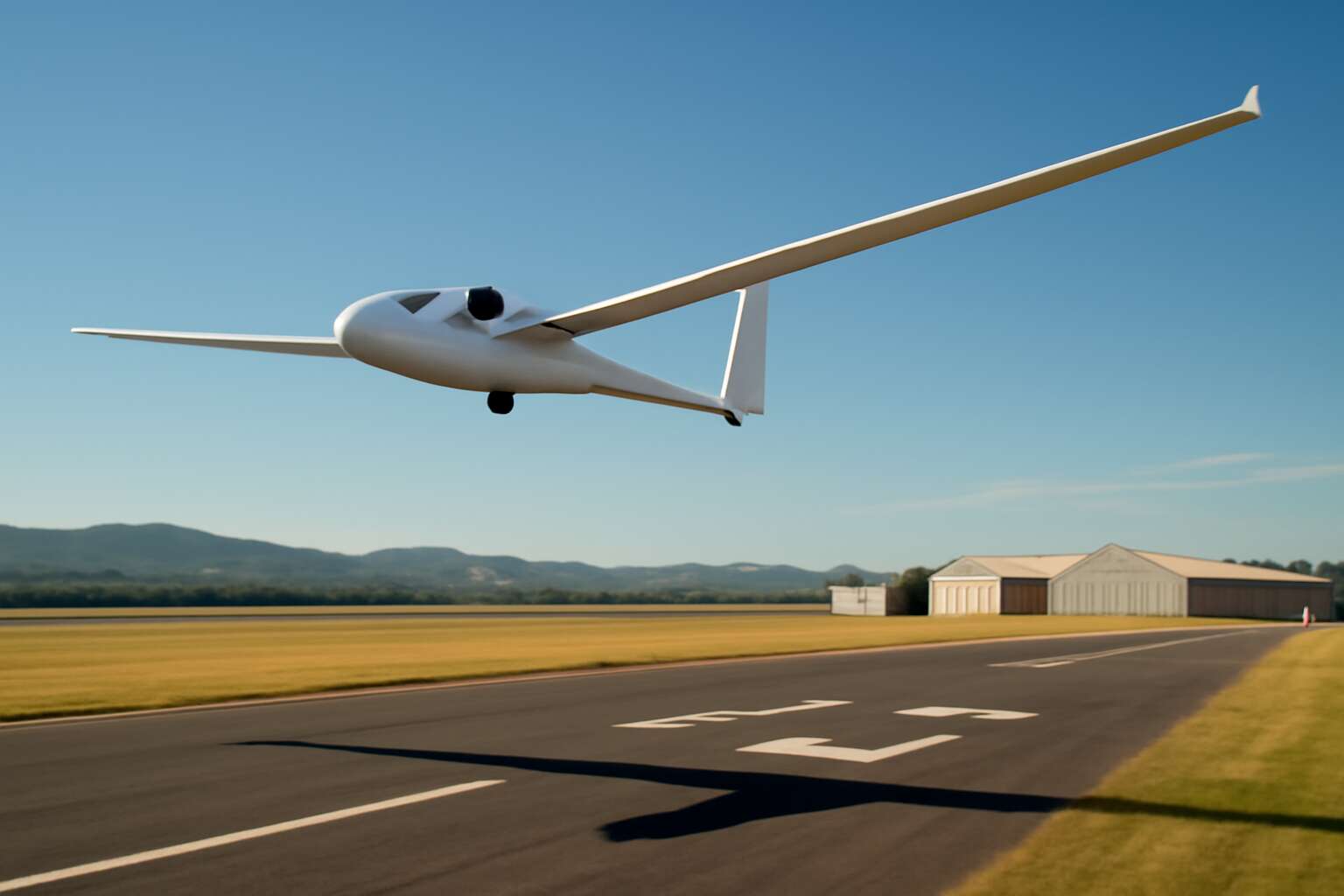
Understanding Local Gliding Lessons
What to expect from entry-level gliding instruction
Gliding isn’t about speed; it’s about listening to the air. In South Africa, an hour aloft can reshape how you think about weather and physics. “Gliding is the closest thing to flying without engines,” says a local instructor, and that lure brings many to glider lessons near me!
Entry-level gliding instruction starts with the ground: weather basics, safety, and what you’ll feel in the air. I’ve watched newcomers settle into the quiet of the glider cabin. Then the cockpit—gain a feel for pitch, roll, and trim as you glide. Short flights follow with patient guidance.
- Ground briefing and safety orientation
- Introductory flight to feel the controls
- Post-flight debrief and questions
Clubs across South Africa schedule around weather and airspace rules, offering accessible paths for newcomers. Whether you see glider lessons near me advertised by a Cape Town club or a Pietermaritzburg group, the core is steady and observational.
Benefits of training with a nearby gliding club or school
Local gliding in South Africa isn’t just a hobby; it’s a slow conversation with the sky. When you search glider lessons near me, you tap into mentors who know the local weather quirks, airspace rules, and safe flight rhythms across SA’s skies. Nearby clubs turn training into a community project, a setting where lessons flow with the rhythm of the day and the patience of seasoned pilots.
- Proximity means more frequent practice, smoother scheduling, and faster skill progression.
- Mentor-led instruction makes theory land in the cockpit, building confidence early.
- Training near home reflects South Africa’s weather patterns and local airspace etiquette.
Proximity also nurtures ongoing mentorship and a living dialogue with the air, as clubs maintain a shared calendar that fits diverse schedules.
Who should consider gliding lessons and typical learning paths
Gliding in South Africa isn’t just a hobby; it’s a wind-tuned conversation with the sky. If you’re searching glider lessons near me, you’re tapping into a local tapestry where weather quirks, airspace etiquette, and patient mentors turn curiosity into coordinated flight.
Who should consider gliding lessons? Here are the likely candidates:
- Aspiring pilots who want a gentle, budget-friendly introduction to flight.
- Seasoned enthusiasts craving a calmer pace and sharper weather interpretation.
- Students seeking hands-on practice that weaves theory into real air time.
- Anyone keen on joining a supportive, mentor-led aviation community near home.
Typical learning paths blend ground-school insight with dual instruction, followed by solo time after assessment and a dash of cross-country navigation. It’s a progressive arc—every milestone earned with the towered grin of a shared sky.
Essential terminology for beginners in gliding
Across South Africa’s dawn-lit airfields, gliding feels like a wind-tuned conversation with the sky. Clubs log thousands of flight hours each year, a quiet chorus of wings and weather. If you’re searching glider lessons near me, you’re mapping a local tapestry where thermals and patient mentors turn curiosity into coordinated flight!
Understanding essential terminology helps you read the air with calm confidence. A handful of terms anchor your vocabulary:
- Thermal lift — rising warm air that gains altitude.
- Ridge lift — air climbing along terrain that keeps you in a gentle ascent.
- Airspeed vs. ground speed — pace through air versus pace over the ground.
- Tow or winch launch — common methods to become airborne.
Role of instructors and mentors in the learning journey
In South Africa’s gliding scene, most learners credit mentors with turning curiosity into controlled ascent. When you search for glider lessons near me, you’re choosing a local mentor who knows the airfields, thermals, and timing that make every flight meaningful.
Instructors in the local clubs adapt to weather, terrain, and your learning pace. They’re not just pilots; they’re safety coaches, debriefers, and progression planners. A focused mentor can convert rookie jitters into calm, confident air sense.
- Safety-first briefings and risk assessment
- Real-time feedback during flights
- Personalised progression plans and ongoing support
Above all, the relationship with a patient mentor shapes how you read thermal cues and navigate a glider to its best glide.
How to Find a Local Gliding School
Strategies to locate nearby clubs and flight schools
In South Africa’s skies, gliding is more than sport—it’s a quiet conversation between air and earth. The lure is a library of horizons and the sense that the next ridge holds a new lesson. If you’re looking for glider lessons near me, the search starts close to home.
Locating a nearby gliding school unfolds through familiar channels: club newsletters, airstrip open days, and word-of-mouth from mentors who know the rhythm.
Three themes surface in conversations about quality training:
- Safety culture that threads through every briefing
- Mentorship and a welcoming club atmosphere
- Practical balance of instruction with aircraft availability
The South African gliding community measures distance in accessibility, shared skies, and the generosity of experienced pilots who welcome newcomers.
Safety certifications and instructor credentials to verify
In SA skies, finding the right partner for ascent starts with trust. A veteran glider instructor likes to remind us: “The air never lies.” When safety certifications and clear instructor credentials are in place, the journey becomes a quiet, confident glide—perfect for glider lessons near me.
To verify you’re in capable hands, look for explicit safety certifications and current instructor credentials. A few checks can save months of doubt and keep training smooth:
- Recognized flight ratings and up-to-date safety certifications held by instructors
- Recent club safety audits or documented maintenance logs ensuring airworthiness
- Evidence of ongoing mentoring or supervision for beginners
- Clear documentation of training gliders’ maintenance records
Beyond paperwork, observe the culture: patient mentorship, thoughtful briefings, and ready access to aircraft when you need them. The right school makes the sky feel like home—and the journey, a quiet adventure with every ridge!
Key questions to ask prospective instructors and facilities
The air never lies, a veteran glider instructor likes to remind us. That truth guides your hunt for a local gliding school. If you’re seeking glider lessons near me, you’ll notice that proximity, community spirit, and transparent schedules often set the tone long before your first flight.
- Open, beginner-friendly onboarding and a clear progression path
- Visible mentorship and a culture of patient coaching
- Reliable access to gliders and supportive staff during your preferred times
- Open days or trial flights to experience the school’s style without commitment
In South Africa, the best clubs blend patient instruction with practical access—hangar chats that turn into confident hands on the controls and a weather-aware mindset that keeps sessions productive.
Let proximity, weekend availability, and a welcoming briefing routine shape your choice—and listen for that sense that the sky feels like home.
Assessing schedules, locations, and device accessibility
Glider hunting isn’t like picking a coffee shop; reliability rules. For anyone chasing glider lessons near me, the first cut is a school that publishes schedules in advance and sticks to them. A transparent timetable keeps weekends usable and your first flight a planned ascent into the blue.
In SA, the best clubs blend patient instruction with practical access—hangar chats that turn into confident hands on the controls and a weather-aware mindset that keeps sessions productive. For many readers chasing glider lessons near me, that balance feels like a win-win.
- Mobile-friendly booking and live schedule updates so you can reserve a slot from your phone.
- Clear location details, parking, and hangar access that fit your weekend rhythm.
- Weather-aware updates and accessible briefing rooms, ensuring you can learn even if your device misbehaves.
Let proximity, weekend availability, and a welcoming briefing routine shape your choice.
Visiting facilities and arranging a trial or introductory flight
Gliding invites a quiet reckoning with the sky, and a single morning in SA can redefine your weekends. “The sky writes back,” a trainer often says, and it’s true for glider lessons near me.
When you visit clubs, the signal is simple: helpful staff, a warm briefing space, and clear hangar access. The setup often includes visible safety routines and parking that fits weekend rhythms.
- Warm, welcoming on-site teams
- Clear briefing rooms and weather updates
- Safe hangar layout and easy parking
An introductory flight offers a real taste of flight under supervision. Expect a concise safety briefing, a short preflight check, and a gentle climb that turns the horizon from grey to blue.
These visits anchor gliding in a community of patience, where local skies and everyday life meet in shared air.
Course Options and Lesson Formats
Introductory flights and discovery experiences
Gliding whispers through South Africa’s wind, and a 20% year-on-year rise in new pilots proves the longing is real. Course Options unfold like a nocturne: flexible, paced by the pulse of the day, and tuned to a curious heart. Introductory flights offer a soft entry, where the sky answers questions before they are asked.
- Introductory flights and discovery opportunities
- Structured weekend courses
- Private coaching and mentorship
Lesson formats shift from group sessions to one-on-one mentorship, from simulator time to real air time, all under the watchful eyes of seasoned instructors. For readers seeking glider lessons near me, South African clubs blend safety with mystique, shaping progress along a patient arc.
Structured curricula and progression benchmarks
Course options in gliding arrive as quiet doors opening onto a sky of possibility. From weekend clinics to private coaching, programs are built on a structured curriculum that respects safety and curiosity. Progression benchmarks anchor every lesson: tentative glides become confident thermals, the day’s rhythm guiding growth. If you’re looking for glider lessons near me, South Africa’s clubs tailor each pathway to local conditions, ensuring steady, human-paced ascent.
- Foundations: aerial awareness and takeoff/landing basics
- Core flight: level, turns, energy management
- Solo readiness: supervised flights and safety checks
- Cross-country: navigation, weather reading, planning
Structured curricula map time-on-task to hours flown, with clear milestones and mentor feedback. Time on simulators complements real air time, while instructors adjust pacing to your learning tempo, guiding you from first lift-off to confident cross-country planning.
Private lessons versus group sessions and tandem training
Course options for glider lessons near me blend ambition with caution and a splash of South African sunshine. Private lessons offer one-on-one coaching; group sessions spark shared curiosity; tandem training provides air-time with a safety net. A local instructor often quips, “The sky rewards clarity with calm confidence.”
For those seeking glider lessons near me, clubs tailor pathways to local conditions, balancing curiosity with safety and pace. Expect ground briefings, simulator time, and real-air practice designed to your tempo—no sprint for the thermals, just steady, readable progress.
- Private lessons: focused coaching and technique.
- Group sessions: peer feedback and milestones.
- Tandem training: flight with an experienced observer.
Whether you favor solo ascent or club camaraderie, these formats keep gliding accessible and enjoyable.
Ground school components and simulator practice
Across South Africa’s gliding clubs, up to 40% of new students abandon before solo. Grounded, practical prep changes that trajectory. For those seeking glider lessons near me, you’ll find course paths that pair tight ground school with guided simulator time and patient real-air progression, tuned to local weather and airspace realities.
- Ground school components: Aerodynamics basics, weather literacy, flight planning and airspace awareness
- Simulator practice: Motion-based training, pattern work, stall awareness and winching replays
- Real-air progression: Intro flights, debriefs, and stepwise goals that track your tempo
These elements give you a map from theory to lift, with instructors nearby who know the skies over SA. I’ve watched beginners gain confidence quickly when practice translates into calm, controlled flights!
Pricing models, memberships, and package deals
Flexibility drives success in glider training across SA, and course options reflect that. Whether you’re trying an introductory flutter or pursuing a structured progression, glider lessons near me offer formats that blend concise ground schooling with real air time, tuned to South Africa’s weather quirks and local airspace realities, so progress feels tangible.
Formats span several paths:
- Intro flights and tasters
- Private one-on-one coaching
- Group sessions with shared air time
- Ground school with simulator and in-air practice
Pricing comes in several flavors: pay-as-you-go for flexibility, bundle-based packages that lock in a set of flights and debriefs, and memberships offering a monthly cadence with discounted rates. Packages can stack with discovery flights, flight reviews, and progression milestones, giving you predictable budgeting and steady momentum.
Safety, Certification, and Practical Considerations
Safety standards, equipment checks, and preflight routines
Safety in gliding begins long before the first wing comes alive, a patient litany of checks whispered into the wind. Preflight routines, harness integrity, and weather awareness anchor every lesson, turning risk into routine. If you’re exploring glider lessons near me in South Africa, safety is the shared vow between pilot, instructor, and horizon.
Here in South Africa, certification isn’t a hollow document but a living standard: instructors carry current ratings, clubs maintain maintenance logs, and regular audits verify airworthiness and safety culture. Look for affiliations with national bodies and up-to-date insurances as you consider your next glide.
- Weather windows and seasonal timing
- Ground school options and simulator practice
- Transparent pricing and membership deals
Practical considerations shape your schedule and comfort above the runway. Availability of gliders and tow planes, flexible booking, and nearby facilities matter as much as technique. Choosing wisely makes the air feel closer.
Flight time requirements and advancement criteria
In gliding, safety is a living promise shared by student, instructor, and the horizon. In South Africa, certification isn’t a hollow credential: instructors carry current ratings, clubs log maintenance, and audits verify airworthiness. When you search glider lessons near me, seek safety culture, current insurance, and national affiliations.
Flight time requirements and advancement criteria shape the pace of mastery.
- Complete dual hours and endorsements to progress toward solo flight.
- Pass a competency check to demonstrate solid control and decision-making.
- Verify weather and thermalling readiness before tackling higher tasks.
Practical considerations keep you comfortable between takeoffs: glider availability, tow-plane schedules, and flexible booking, with nearby facilities for rest and support. When these align with your calendar, the air feels closer and safety becomes second nature.
Certification paths, endorsements, and licensing basics
Safety is a living promise in South Africa’s glider clubs, where a seasoned instructor keeps the horizon in view as a partner. “Safety is a living promise,” the ethos says, guiding preflight checks and measured decisions before a tow or a glide.
Certification paths unfold on a clear ladder: complete dual hours, earn a solo endorsement after a solid competency check, and verify weather readiness. In SACAA-aligned clubs, instructors carry current ratings, and endorsements unlock privileges like tow operations or cross‑country flights.
- Tow endorsements
- Solo endorsement after dual hours and competency check
- Cross-country or thermalling endorsements
Practical considerations keep you comfortable between takeoffs: glider availability, tow-plane schedules, and flexible bookings. When you search glider lessons near me, nearby facilities for rest and support reinforce a safety-first habit with every flight.
Weather considerations, seasonality, and scheduling flexibility
Safety is a living promise in South Africa’s glider clubs, where a seasoned instructor keeps the horizon in view and every preflight check feels like a vow. Measured decisions and discipline turn risk into shared responsibility, guiding each ascent with quiet confidence.
- Thorough preflight checks
- Current SACAA-aligned ratings
- Clear, practiced tow procedures
Certification paths unfold on a clear ladder: complete dual hours, earn a solo endorsement after a competency check, and verify weather readiness. In SACAA-aligned clubs, instructors carry current ratings, and endorsements unlock privileges like tow operations or cross‑country flights.
Practical considerations keep you comfortable between takeoffs: weather windows, seasonality, and scheduling flexibility shape your training calendar. For readers seeking glider lessons near me, nearby facilities blend quiet lounges with swift, safety-minded support as conditions shift across a South African sky.
Liability, insurance, and emergency procedures in gliding training
Safety isn’t a slogan here—it’s a living promise across the South African sky. In many gliding clubs, disciplined preflight checks and readiness drills have cut incidents dramatically, with some reporting up to 90% fewer events when practiced with care.
- Thorough preflight checks and current documentation
- Clear emergency procedures and radio discipline
- Instructors with current SACAA-aligned ratings and ongoing safety briefings
Certification follows a clear SACAA-aligned ladder rooted in ongoing mentorship and proven competence. Endorsements grant supervised privileges, keeping progress steady and safe. If you’re seeking glider lessons near me, you’ll find clubs that keep the path transparent, welcoming, and professionally grounded.
Practical considerations: liability coverage, insurance requirements, and emergency procedures shape training as much as flight. Clubs usually carry liability protection; personal accident options are commonly reviewed, and incident reporting is rehearsed for swift, calm responses.

0 Comments