
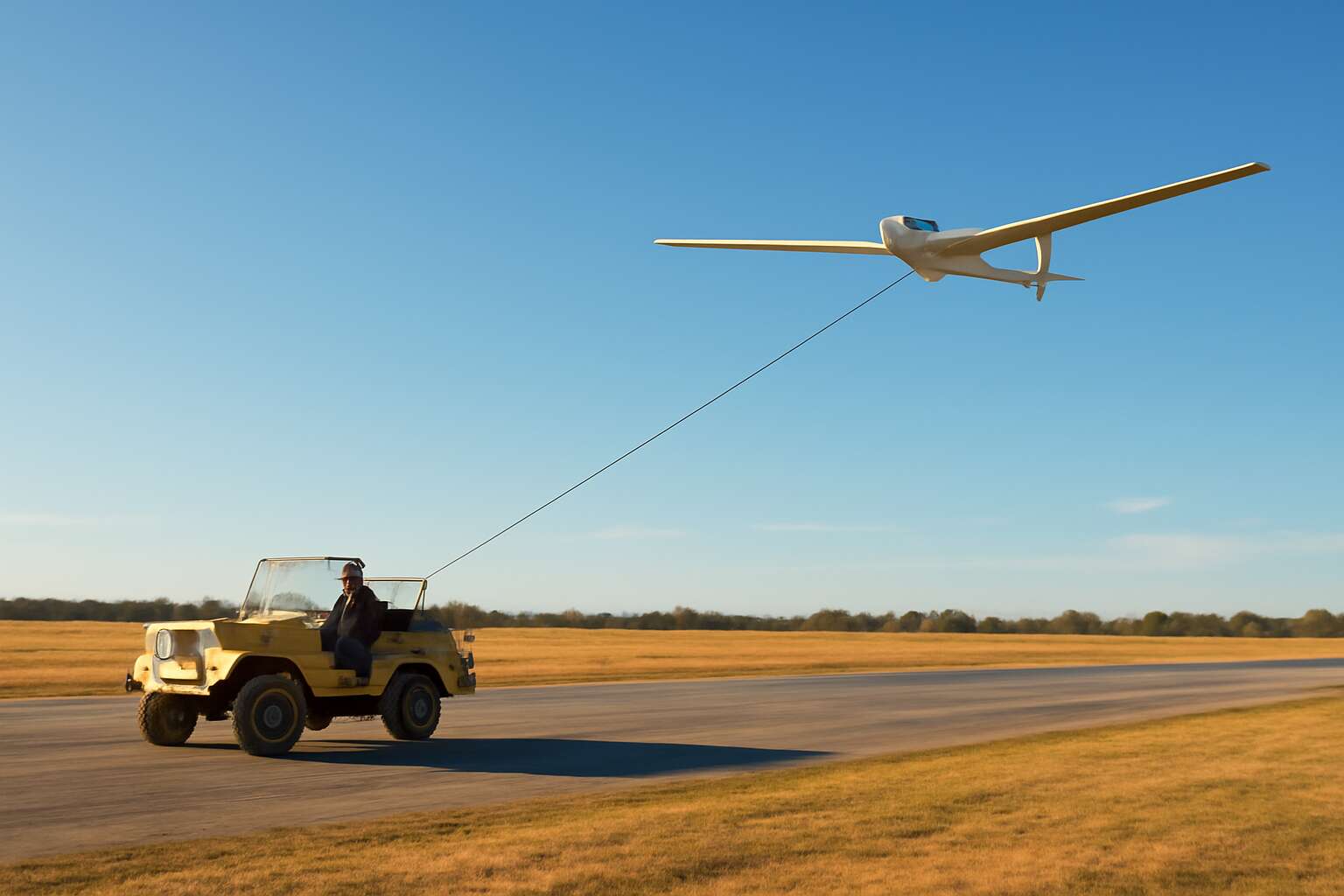
Winch Launch Basics for Gliders
Preflight Safety and Briefing
Wind and wonder mingle the moment a glider leaves earth—the thrilling hinge of a glider winch launch that South African clubs treasure. Across the season, these launches carry hundreds of flights and the quiet weight of responsibility. ‘The sky rewards the brave,’ a veteran pilot once told me, and I have learned that bravery begins with a calm briefing that steadies the hands and heart.
Winch operations demand clarity and shared purpose. Preflight safety and briefing focus on communication, weather awareness, and equipment integrity without turning into a chore. We speak softly, confirm roles, and align on signals, because every stake in the air is shared. The goal is to glide with grace, not to gamble with chance.
- Clear communication protocols
- Ground crew coordination and safety margins
- Canopy and harness integrity checks
- Wind, rotor, and terrain awareness
- Emergency procedures awareness
Required Equipment and Gear
Across South African airfields, hundreds of glider flights hinge on the choreography behind a glider winch launch. A veteran pilot whispered that the first breath decides between glide and stumble, and in that breath you hear the importance of dependable gear and steady hands!
The following is a concise inventory of required equipment and gear that keeps the line smooth and the air calm.
- Towline and drum assembly, certified and regularly inspected
- Winch release mechanism and secure harness
- Ground crew radios and signal flags
- Helmets, gloves, eye protection, and hearing protection
- Harnesses, seat cushions, and adjustable restraints
- Toolkit for rope handling and spare segments
- First-aid kit and fire extinguisher on the tarmac
In the South African climate, routine inspection and dry storage keep components ready, quieting heat and dust. This equipment list preserves the shared stake in the sky—brave yet disciplined.
Step-by-step Launch Sequence
Across South Africa’s sun-bleached airfields, the glider winch launch is not mere machinery but a ritual of breath, balance, and wind-touched fate. The drum exhales tension; the towline hums a taut violin string; the glider seems to listen for a secret lift as the crew holds steady and the pilot savors the moment with calm attention. In this rhythm, every gaze is measured, every signal precise, and the sky opens to welcoming sight.
Here is the high-level arc, told in four acts:
- Stage 1 — Alignment and quiet: the crew tunes radios and eyes the field.
- Stage 2 — Tension rises: the winch engages, line tightens, and the glider steadies.
- Stage 3 — The release: a precise signal breaks the moment, and the craft catches the breeze.
- Stage 4 — Lift and glide: the glider finds lift and climbs, the line easing away.
Weather and Site Considerations
Across South Africa’s sun-burnished airfields, weather writes the tempo of flight; the glider winch launch becomes a quiet conversation between rope, drum, and wind. A coastal breeze can sharpen lift opportunities, while a stubborn highveld lull might test patience and timing. The skill is reading textures of air, field, and horizon as one living map that rewards quiet focus and deft communication.
- Wind direction and speed, including gust patterns that surge along the runway
- Thermal activity and cloud base influence on lift availability
- Field length, obstacle clearance, and airspace margins
- Surface conditions and drainage that affect traction and control
These considerations anchor decisions at South Africa’s airfields, where berg winds or southeaster breezes shape the daily rhythm. The crew maintains calm, radios clear, and the sky answers with lift when the horizon brightens, turning a moment of potential into a shared, quiet wonder.
Common Mistakes and How to Avoid
In the ballet of a glider winch launch, precision is poetry and timing is wind. Across South Africa’s airfields, one well-timed cue can turn a tense moment into a clean rise. The rope, drum, and pilot converse in a quiet language of lift and line.
- Mismatched line tension during take-up
- Premature or delayed release cue
- Poor communications between winch operator and pilot
- Nearing the limits of surface traction or field conditions
These missteps linger where haste seduces judgment; they disappear when crew and pilot speak with simplicity, when tempo remains even, and when the field hums with readiness. The lesson is a patient reverie: respect the rope as a partner, read the horizon as a map, and listen for the drum’s patient thump.
Winch System Components for Soaring
Power Source and Electrical Safety
Beneath the hangar’s shadow, the winch breathes—a quiet leviathan waking to service. In the world of glider winch launch, the power source is more than machinery; it is the pulse that lifts the dream. Cables glow with resolve as the sky answers in a whispered roar.
- Power unit: diesel, petrol, or electric drive
- Cable drum and braking system
- Control console: the quiet maestro of tempo
- Safety interlocks and emergency stop
Electrical safety is a dim oath stitched into every rivet: grounding, insulation, and maintenance. In South Africa, standard practices guard against rogue sparks as surely as the first frost guards the airfield. This thread underpins every glider winch launch, unseen but essential.
- Proper grounding and bonding
- Overcurrent protection and lockout
- Emergency stops and clear warnings
Tow Rope and Cable Management
Across South Africa’s wind-worn airfields, the winch reveals its artistry. Each glider winch launch relies on a chorus of components that cradle velocity and safety. The tow rope, drum, and guides move as one, a disciplined heartbeat shaping lift and line—an aerial promise in steel and sinew.
- Cable drum and braking tuned for smooth takeoff
- Fairleads, guides, and rope runners to prevent kinks
- Tensioners and wear indicators for consistent rope path
- Lubrication points, chafe protection, and storage discipline
With clean cable management, the sky becomes a canvas, not a question. Precision here keeps field, machine, and pilot in harmonious accord, ready for the next ascent.
Pulleys, Brakes, and Traction Control
For a flawless glider winch launch, the winch system hums with intent. Soaring pulleys, brakes, and traction control form a quiet triad that translates raw force into a patient, predictable ascent. In South Africa’s sun-burnished fields, precision here shields pilot and airframe, turning each moment of tension into trust.
Componentry flows with breath—carefully chosen, impeccably maintained. The key elements deserve steady attention as the line tightens toward lift:
- Pulleys and guides that route the rope cleanly and prevent snags
- Brakes calibrated for smooth start and controlled fade
- Traction control systems that modulate pull and line tension
- Sensors, tensioners, and lubrication points to sustain consistency
In the choreography of lift, the winch and glider move as one—calm, deliberate, and almost ceremonial. The launch becomes a test of restraint and resolve, where precision invites ascent and silence yields to the sky.
Winch Mounts and Ground Equipment
In the field’s quiet glow, the winch system becomes the patient conductor of a flawless glider winch launch. The mounts and ground equipment form a stable, ceremonial spine—engineered for endurance under the South African sun and early-morning gusts. Motors hum with disciplined intent, control panels blink with calm, and weatherproof housings cradle the electronics. This is where craft meets reliability, and the rhythm feels almost lyrical.
Part of its quiet artistry lies in the components tailored for soaring mounts and ground equipment. Key components include:
- Mounted winch motors and drive trains
- Cable drums and spooling systems
- Load cells and tension telemetry
- Weatherproof mounts, ground anchors, and protective enclosures
Together, these elements translate raw energy into a steady, ceremonious ascent.
Maintenance and Inspection Schedule
In the field’s quiet glow, the winch system becomes a patient guardian of a flawless glider winch launch. Maintenance and inspection stand as the quiet rhythm that keeps dawn flights safe and reliable in South Africa’s wide airstrips. The schedule feels less like a burden and more a trust—each check reaffirms endurance under harsh sun and capricious winds.
Core system components deserve careful watching, not fanfare. A steady cadence of checks helps translate raw power into faithful ascent.
Key maintenance touchpoints include:
- Structural integrity of the frame and fasteners
- Sensing and telemetry accuracy
- Enclosures and weatherproofing integrity
The result is a trustworthy partner in the glider winch launch, where every part breathes in harmony and the field returns to stillness after the launch.
Safety Protocols and Risk Management
Personnel Roles and Communication
Wind-burnished mornings on South African airfields demand more than nerve; they demand discipline. Safety protocols and risk-management frameworks underpin every decision, from ground checks to final signals. When the glider winch launch passes lips, it carries the weight of crew, ground crew, and the pilot—each aware that timing and trust are inseparable!
Clear roles and crisp communication transform potential chaos into coordinated choreography.
- Ground Controller or Spotter — maintains line of sight and signals aborts
- Winch Operator — manages tension, speed, and release cues
- Launch Readiness Lead — confirms all checks, coordinates timing
- Radio/Comms Operator — ensures unbroken contact with the launch crew
- Safety Officer — enforces abort criteria and emergency procedures
These roles form a protective net around every ascent.
Weather and Wind Assessment
Wind writes the morning’s story on South Africa’s airfields, and Safety Protocols and Risk Management are the ink. In the glider winch launch, every choice is a promise: to respect the forecast, read the sky, and protect the people who lean into the pull of possibility.
Weather and wind assessment becomes a shared ritual: observers, pilots, and ground crew align on visibility, gusts, and wind shear. The discipline keeps risk within bounds and preserves focus for the moment when the winch sings and life lifts.
- Weather patterns and wind shifts
- Visibility and ground hazards
- Communication fidelity
- Emergency readiness
That discipline turns a brisk SA morning into a quiet trust—where the glider winch launch is half craft, half conversation, and wholly about safety as the hills wake.
Redundancy and Abort Procedures
Safety protocols on a field launch are not mere paperwork; they are the hinge that keeps a brisk South African morning from tipping into chaos. Risk management rests on redundancy: multiple people, multiple checks, one shared understanding of when to pause. The result is a calm, audible trust as radios crackle to life and eyes scan the sky with purpose.
- Independent observers verify visibility and ground hazards
- Dual communication channels ensure clear instructions
- Pre-agreed abort criteria revisited during briefing
A second layer of redundancy becomes cultural: a second pair of eyes and a backup radio prevent misreads from turning into trouble—quiet, precise, and deliberate.
Abort procedures: a launch is never worth forcing if conditions deteriorate. In a glider winch launch, clear triggers and decisive roles keep the operation safe, with escalation built in so hesitation never becomes the story.
Personal Protective Equipment and Safe Distances
“Safety is a calm voice on the radio,” a veteran winch pilot likes to say, and in a glider winch launch that calm moves mountains of dust with confidence. The field wakes to discipline—redundancy, checks, and a shared rhythm—so when the line sings, the team moves as one.
Personal Protective Equipment and Safe Distances are the spine of every launch. PPE includes helmets with visors, hearing protection, gloves, sturdy boots, and high-visibility vests. The crew keeps space around the tow line clear, marks safety zones, and uses precise radio calls before any tension builds.
- Exclusion zones maintained around the winch and tow line
- Clear separation between crew and spectators during line tension
- Verified comms with back-up channels before any movement
The hush between checks becomes a ritual: visibility verified, hazards scanned, and the glider patiently waiting for its moment to kiss the sky.
Emergency Response Drills
Sunrise on the field brings a sober hush—the kind of quiet that says today we get this right. In gliding circles, Safety Protocols and Risk Management Emergency Response Drills turn potential chaos into choreography. “Discipline is the weather in which safe launches happen,” a veteran pilot likes to say, and that weather guides every glider winch launch.
- Abort and stop signals are validated and tested
- Line tension management and safe evacuation of personnel
- Medical emergency response and casualty transport protocols
Drills map the unknown with rehearsed calm, covering aborts, line entanglements, and medical contingencies. The crew trains with back-up radios, clearly defined rally points, and marked clearances around the tow path.
After-action reviews punctuate the routine, turning mistakes into lessons and keeping the tempo human, not mechanical. In the South African veld, where gusts can surprise, risk management drills become a trusted compass, aligning eyes, ears, and hands for every glider winch launch.
When the line sings and the winch hums, the field breathes as one—an orchestra of safety, timing, and courage.
Operations and Ground Handling during Launch
Towpoint Setup and Hooking Process
Momentum on the field has a story all its own. A veteran controller once whispered, “Momentum is a whisper—miss it, and it shouts.” In a glider winch launch, that whisper guides every move, from towline tension to wingtip alignment, and the air seems to listen.
Operations and ground handling during this phase hinge on flawless coordination. Towpoint setup and hooking process demand discipline, precise communication, and a shared language across crew, pilot, and controller. Clear signals and calm hands keep the sequence smooth as the winch settles into its measured rhythm.
On South African fields, ground crews choreograph a quiet ballet—visual checks, radio discipline, and a common rhythm that keeps risk contained as the glider awaits its moment.
- Clear takeoff area and unobstructed line of sight
- Consistent signals and radio discipline
- Readiness to pause on cue
Glider Release Mechanism and Detection
On the launch pad, the release mechanism settles into a patient rhythm, and every eye notes the line’s subtle tautness. Detection is not a single act but a chorus: cable, pulley, and pilot’s head-turn to confirm wing alignment. In South Africa’s sun-baked airfields, ground teams choreograph with quiet precision, trusting the signal language honed by seasons of winch practice. During the glider winch launch, the moment the signal meets the release, the glider springs into the sky and the tension eases into a steady fetch as the air greets momentum.
- Towline tension reaches established thresholds and stabilizes
- Wing tips remain visually clear and aligned with the line
- Release mechanism status is confirmed via radios and crew checks
That delicate choreography carries motion from ground to sky on a page of wind and wonder.
Ground Crew Roles and Positioning
Across South Africa’s sunlit airfields, a glider winch launch unfolds as a quiet ritual of precision. Ground crew move with patient intent, each stance measured against the next. The line, the release, and the pilot’s glance align like a well-tended loom—tension builds, then yields to lift as the air greets momentum.
Key roles on the ground keep the ballet safe and smooth.
- Spotter and radio liaison—watching for wing alignment and signaling clearances
- Wing runners—steadying and guiding the glider wings with calm hands
- Towline handlers—managing line tension and preventing tangles
- Brake and safety crew—monitoring brakes, safe zones, and the surrounding ground
On South Africa’s fields, that quiet chorus is the making of lift—the human touch that turns tension into achievement and the sky into a shared horizon.
Site Access and Airspace Coordination
On South Africa’s sunlit runways, the glider winch launch hinges on more than muscle and momentum. Site access and airspace coordination set the tempo, turning a potential stampede into a smooth choreography. When gates are open and radios crackle in time, lift becomes predictable, not accidental.
- Site access control and secure staging areas
- Airspace clearance coordinated with local control
- Radio discipline and contingency communication plans
- Defined safe zones for vehicles, pedestrians, and spectators
From the first signal to lift-off, operations balance permissions, positioning, and timing. A dedicated marshal tracks shifts in the air and the rest of the team communicates in crisp, professional cadence. This quiet coordination keeps airspace safe and the operation undeniably efficient and distinctly South African in character.


0 Comments