
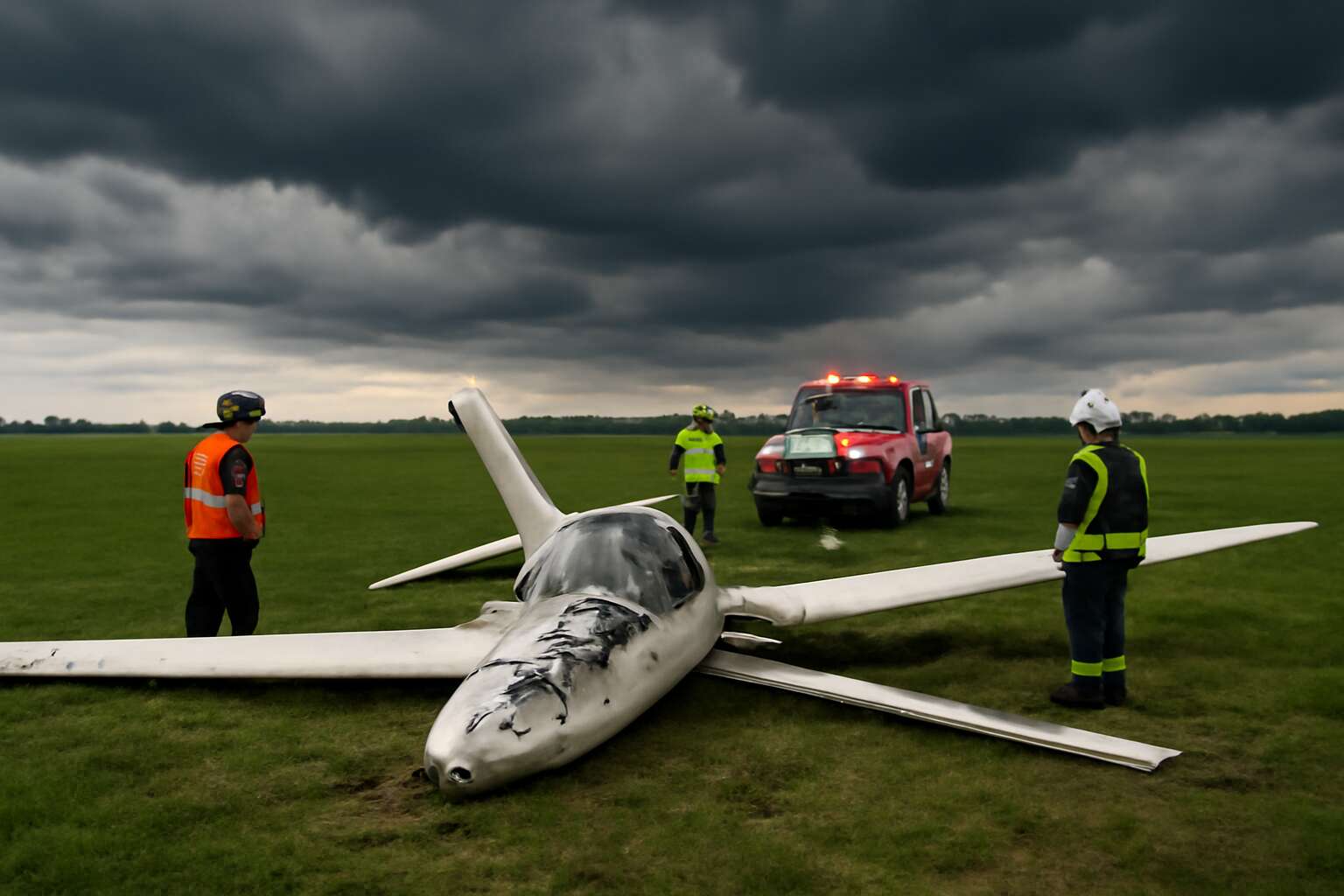
Glider Incident Outline
Incident Overview
Across South Africa’s soaring clubs, a glider crash can rewrite a day at the field. Thrill seekers and safety pros alike know the sky isn’t a playground; it’s a responsibility. Even a calm launch hides the possibility of a sudden, sobering glide.
An incident overview records the essentials: location, time, aircraft type, pilot experience, weather, and the sequence from release to touchdown. It focuses on facts, not speculation, and serves as the backbone for safety reviews.
In these incident outlines, a few factors consistently surface:
- Weather and thermals
- Pilot workload and fatigue
- Aircraft maintenance and equipment
- Airspace and traffic considerations
For South African clubs, this structured approach clarifies cause, accountability, and future training without sensationalism, keeping the focus on safer skies for everyone involved.
Causes and Risk Factors
In glider incident analysis, causes often trace to decision-making under pressure as much as to the sky’s mood. Cognitive load, fatigue, and narrow margins can tilt a routine flight into risk territory, even when the thermals cooperate. Maintenance gaps and equipment wear quietly erode safety margins, and misinterpretations of airspace or traffic add another layer of vulnerability. A glider crash rarely happens because of a single misstep; it tends to be the culmination of several small lapses aligning at the wrong moment.
Key risk factors include the following, which South African clubs know well:
- Human factors: cognitive load, fatigue, and split-second decision making
- Maintenance culture: traceability, corrosion, and hidden wear
- Procedural discipline: launch checks, tow release reliability, and pre-landing notes
Understanding these dynamics helps frame safety reviews without sensationalism, keeping the focus on safer skies for South Africa’s soaring communities.
Investigation and Forensic Analysis
In the wake of a glider crash, the truth hides in the margins of data, pilots’ memories, and the scar of wreckage. A seasoned investigator once said, “patterns emerge where records end,” and that insight frames the work that follows.
An outline for investigation and forensic analysis centers on reconstructing the flight from preflight to touchdown, cross-checking flight logs, tow release records, and airspace notes with weather data and eyewitness accounts. The aim is to see how decisions and conditions aligned.
- Timeline reconstruction from logs and air-traffic data
- Wreckage forensics and materials analysis
- Maintenance history, parts traceability, and service records
In South Africa, this emphasis on meticulous evidence helps clubs and authorities separate sensational narratives from safety realities, guiding governance and training, without resorting to alarmism.
Prevention and Safety Training
Patterns emerge where records end. That truth guides prevention in glider operations, especially in South Africa’s busy clubs where weather shifts fast. A glider crash rarely arises from a single moment; it reflects pilot decisions, training gaps, and the culture around safety.
Prevention and safety training centers on flight discipline from preflight to post-flight, including weather interpretation, airspace awareness, tow-release realities, and robust crew communication. The aim is a tighter safety net that aligns decisions with conditions, not assumptions.
- Scenario-based safety training that sharpens decision-making under changing weather
- Cockpit discipline and crew resource management to improve communication
- Governance of maintenance history, parts traceability, and risk awareness as a core safety culture
In South Africa, this approach helps clubs and authorities separate sensational narratives from safety realities, guiding governance and training without alarmism.


0 Comments