
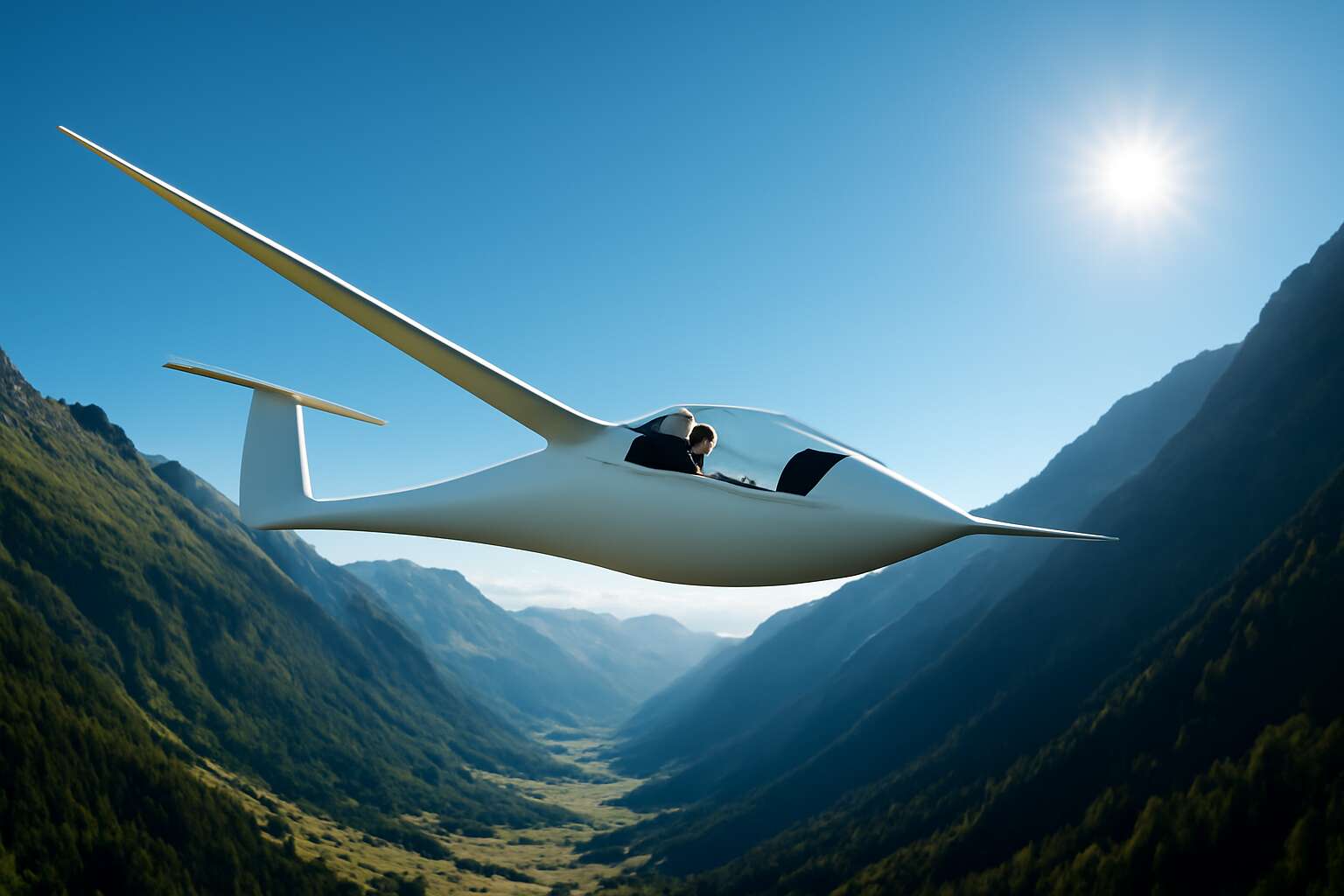
Glider safety foundations
Fundamentals
South Africa’s skies tell a punchy truth: about 97% of glider flights land safely, a statistic that somehow makes the morning glide feel ordinary. That optimism rests on a simple question—are gliders safe? The answer is anchored in solid foundations that outshine luck and fancy hype.
Fundamentals include design integrity, certified pilots, and a culture of meticulous maintenance. To illustrate, here are the pillars:
- Robust training standards and ongoing proficiency checks
- Routine maintenance and airworthiness verification
- Weather literacy and risk assessment baked into operations
Ask yourself: are gliders safe? The verdict rests not on glamour but on discipline: rigorous procedures, honest reporting, and a shared commitment to safety among the crew, instructors, and volunteers who keep the South African skies friendly and fair.
Standards and certifications
Morning light gilds the tarmac, and a quiet statistic hums in the air: 97% of glider flights land safely, a measure that hints at grace under discipline. are gliders safe? The answer rests in standards, not luck, and in a culture that treats safety as a shared vow.
- Certification and licensing: SACAA oversight, licensed instructors, and validated pilot certificates
- Airworthiness and maintenance: type approvals, regular inspections, and meticulous record-keeping
- Operational procedures: formal risk assessments and weather qualification requirements
Clubs across South Africa rely on continuous proficiency assessments, formal airworthiness oversight, and transparent incident reporting. The architecture of certification—rigor, documentation, and training—transforms flight from a leap of faith into a practiced, trusted pursuit that invites the respect of pilots and the public alike.
Risk factors and safe practices
Gliding asks for more than gravity’s mercy; it rewards discipline with wind-borne poetry. The question—are gliders safe?—has a straightforward answer: safety rides on habits, not luck, and a shared culture that treats risk as something to be managed, not flirted with. Here in South Africa, that rule holds tight.
Risk factors that quietly shape safety include weather variability, which can flip from mild to unruly in minutes; human factors such as fatigue or overconfidence; and maintenance gaps that leave small cracks in the airworthiness chain.
- Weather variability and microclimates
- Fatigue, distraction, and optimistic bias among pilots
- Maintenance gaps and rushed inspections
Safe practices bloom from routine rituals. A disciplined preflight, a candid post-flight debrief, and honest incident reporting keep the risk ledger clear. To keep readability, consider:
- Weather qualification and solid flight planning
- Thorough preflight and post-flight checks
- Clear, timely reporting and debriefing
Safety training and ongoing education
Wind writes its own laws, and in gliding circles the only compass that never fails is disciplined training. A veteran South African instructor once whispered, “Safety is a habit, not a hazard.” From that creed grows the idea that good outcomes ride on safety training and ongoing education as twin beacons.
Foundations of safety are not a one-off drill; they are a living culture. Continuous education means refreshed weather literacy, updated SOPs, and reflective debriefs that turn improbable moments into teachable folklore.
If one asks, are gliders safe, the reply points to disciplined learning embraced by clubs across SA.
- Structured curricula
- Mentorship and simulator sessions
- Regular recurrency checks
- Post-flight debriefing culture
0 Comments