
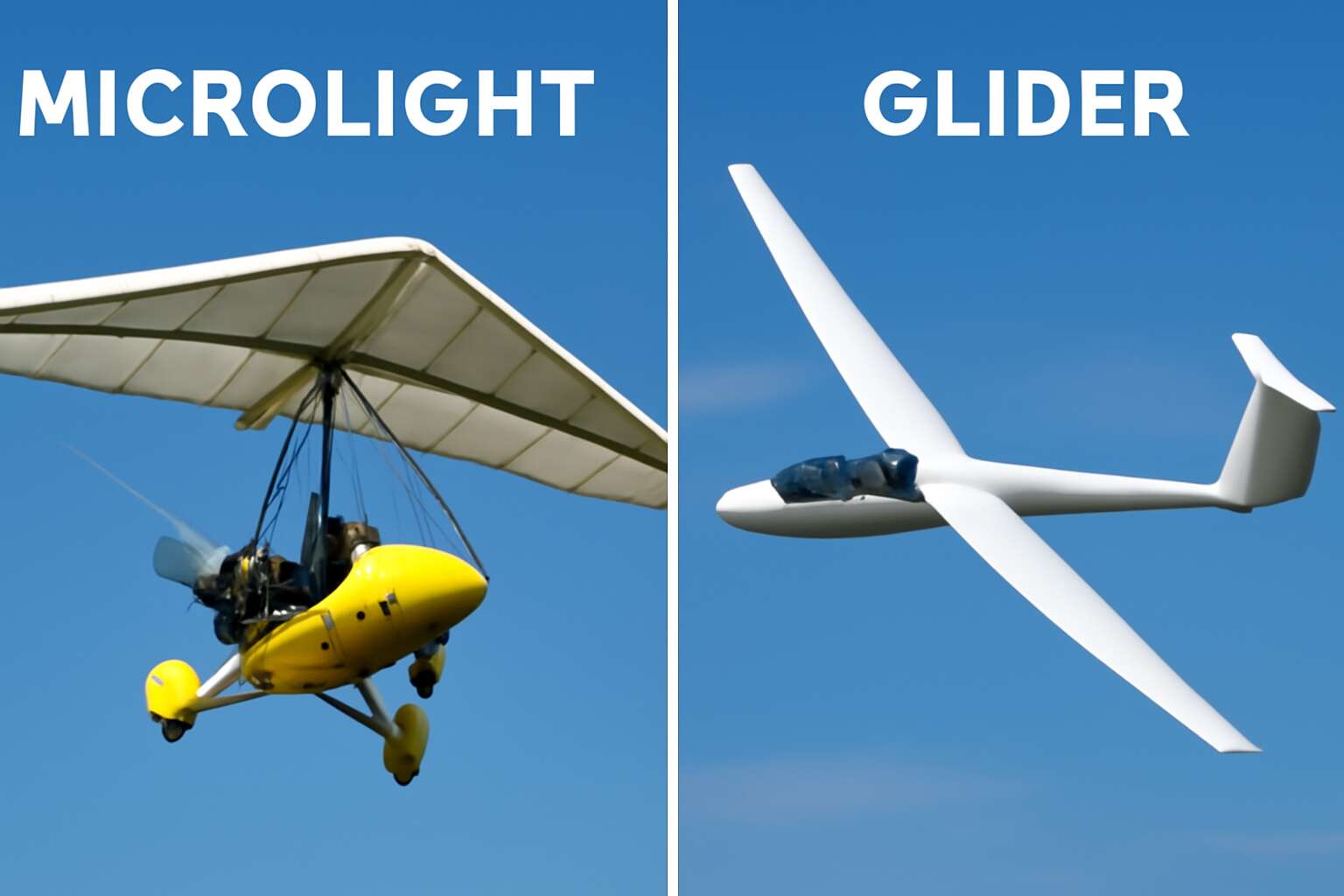
Microlight and Glider Fundamentals
What is a microlight aircraft?
South Africa’s skies tempt with freedom and a dash of mischief—a proper microlight vs glider debate that sales copy loves to tease. A veteran SA flyer likes to say the wind doesn’t care about wallets; it cares about the willingness to learn, and that bite lands fast!
What is a microlight aircraft? A nimble, light-winged craft built for affordability and quick mastery, often with a small engine. It forgives a learner’s flubs and rewards progress with short ground runs and easy handling.
A quick snapshot of how it differs, side by side:
- Engine-assisted propulsion versus pure gliding energy
- Lower operating costs and faster licensing paths
- Shorter takeoff distances, modest field requirements
Glider fundamentals: A glider, or sailplane, carries no engine. It climbs on rising air and stretches glide ratios, turning thermal hunts into a quiet, patient ballet. In SA, pilots cherish the discipline and the scenery.
What defines a glider?
South Africa’s skies cradle a stirring stat: in the last season, microlight clubs reported a 16% bump in new members. The microlight vs glider conversation isn’t merely technical; it’s a beckoning of air and choice—speed with safety, or quiet patience with altitude.
What defines a glider? A glider, or sailplane, carries no engine. It climbs on rising air and stretches glide ratios until the landscape becomes a memory and the sky a canvas of patience.
- Engine-free propulsion, relying on lift and thermals
- Long, slender wings for high glide ratio
- Precision energy management over speed
In the South African skies, this discipline pairs with spectacular scenery, inviting a measured, almost ceremonial glide that contrasts with the immediacy of a microlight’s punchy takeoff!
Key differences in design, operation, and purpose
South Africa’s airspace beats with a curious duality: microlight vs glider, a contrast of immediacy and contemplation that mirrors the country’s varied landscapes. In design terms, microlights pair a compact engine with light airframes, delivering a brisk climb and brisk cruise. Gliders, by contrast, lean on physics—long, slender wings and a focus on lift, thermals, and patient energy management.
Operationally, the microlight thrives on hands-on control and rapid decision-making; the glider invites a measured glide where altitude becomes a canvas. For purpose, the former suits sport and training; the latter excels in silent soaring and precision navigation through thermal streets.
- Engine presence and propulsion
- Wing geometry and glide potential
- Flight tempo and training objectives
Common classes and variants
In the microlight vs glider spectrum, the South African sky reveals two distinct tempos: a quick, tactile cadence and a quiet, patient ascent. The microlight hums with brisk control and instant feedback; the glider treats altitude as a canvas and wind as a companion. Both paths share a love of the air, yet they translate that energy into very different flights.
Common classes and variants include:
- Fixed-wing microlights and weight-shift trikes
- Two-seat trainer microlights for instruction
- Standard sailplanes and self-launch gliders
Glider variants lean toward longer flights, precise thermalling, and cross-country endurance. I watch the wind decide the glide, and in South Africa’s varied airspace, each launch becomes a whispered negotiation with lift and altitude.
Flight Performance and Handling
Lift, speed, and stall behavior
The air doesn’t lie. I read lift honestly, and I hear the truth of performance! In the microlight vs glider conversation, energy management beats bravado every time—and in South Africa’s skies, that truth lands with clarity and consequence.
Lift, speed, and stall behavior shape the flight experience more than glossy specs. Microlights, with lighter wing loading, offer lively response; gliders reward patient energy management.
- Lift and wing loading set stall margins and how forgiving the wings feel near the edge.
- Speed envelopes differ: microlights accelerate quickly, while gliders rely on rising air for efficiency.
- Stall behavior can be a telltale sign—microlights may bite if mismanaged, whereas gliders tend toward smoother transitions.
Understanding these dynamics helps me and other pilots choose not just a machine but a mindset—one aligned with South African skies and the intimate dance between air, pilot, and purpose.
Glide ratio and efficiency under different conditions
Glide ratio is the judge of flight performance, and in South Africa’s skies it reveals the energy story. “Energy is the sky’s currency,” a saying from local pilots, reminding us that in the microlight vs glider dialogue, glide efficiency isn’t about bravado; it’s about air and pilot cooperating when lift is fickle.
Gliders harvest the air, often delivering glide ratios well over 40:1 when thermals cooperate. Microlights, agile and responsive, balance speed and weight to prevent energy bleed. Under rising air, the glider stretches distance between lift zones; in smoother air, the microlight’s lighter wing loading aids precise handling and reduces fatigue.
- Thermal-rich conditions typically favor gliders for extended distance
- Calm, consistent air can highlight a microlight’s nimble handling
These dynamics shape choices, steering pilots toward a mindset tuned to South Africa’s skies and the intimate dance between air, pilot, and purpose.
Control responsiveness and ease of use
Flight performance is a conversation between air, structure, and pilot. In South Africa’s skies, microlight vs glider is less about bragging rights and more about how quickly inputs become precise motion. Gliders reward patient hands with graceful, sustained control that breathes with the air; microlights deliver lively, intuitive feedback that rewards quick decisions and agile response during takeoff and turns!
- Immediate, predictable response to pitch and roll across varied gusts
- Ergonomically simple controls and instrument layouts that shorten learning curves
- Clear stall cues and forgiving handling for confident transitions from approach to landing
Under calm conditions, both platforms reveal different strengths: the microlight’s light wing loading fosters nimble handling and crisp control feel, while the glider’s serene, energy-aware rhythm rewards long, steady transitions. It’s a measured dance of purpose, tailored to South Africa’s diverse airfields and thermals.
Typical flight regimes and training implications
Flight performance is a conversation between air, airframe, and pilot. In South Africa’s skies, microlight vs glider is less about bragging rights and more about how swiftly inputs translate into precise motion as thermals crown the Highveld and runways stretch across diverse airfields. The balance between nimble response and patient energy management becomes the pilot’s daily rhetoric, a form of aerial poetry in motion.
- Short-field and low-speed regimes demand crisp inputs and precise power control.
- Thermal reconnaissance and energy budgeting redefine endurance, with the glider rewarding patient energy management.
- In the microlight vs glider equation, pilots adapt training to varied airfields, weather, and thermal conditions.
Costs, Training, and Accessibility
Purchase costs and depreciation
Costs steer the microlight vs glider decision in South Africa. Purchase costs and depreciation matter most. A basic microlight often starts cheaper, while a solid glider can command a higher price but may hold value better with known parts networks and clubs. Over time, what you recoup matters as much as the thrill.
Training costs hinge on path chosen. Microlight training tends to be shorter and cheaper; glider instruction can take longer and cost more in the SA context. In clubs across the country, you’ll often find mentors and shared resources.
- Upfront training costs
- Time to solo milestones
Accessibility rounds out the picture. From my own field, local airfields, weather windows, and club hangars shape how often you fly. In South Africa, microlight access is broader, while gliders hinge on wind and winch availability—yet the community keeps the dream within reach.
Licensing requirements and training pathways
The microlight vs glider choice often boils down to pocket and patience. A basic microlight tends to cost less upfront, while a solid glider can hold value through a robust clubs network. In rural skies, that balance matters as much as the thrill of flight.
- Upfront purchase price
- Depreciation and resale value
- Insurance and maintenance
Training costs hinge on the path you take. Microlight instruction is typically shorter and cheaper; glider training can be longer and pricier in SA. In clubs across the country, mentors and shared resources help keep progress steady. Licensing requirements and training pathways unfold in three stages: ground school and dual instruction; solo milestones and flight checks; licensing tests with currency requirements.
Accessibility defines how often you fly—local airfields, weather windows, and hangar culture all shape the dream. Microlight access feels broader in SA, while gliders lean on wind, winch, and community.
Maintenance, insurance, and ongoing costs
Across SA’s skyways, pilots report a 40% swing in long-term costs between microlight vs glider. Costs shape the dream: a microlight tends to offer a friendlier upfront price, inviting pilots to slip the leash of finances. A robust glider, by contrast, can preserve value through a lively clubs network, especially in rural South Africa where community keeps wings responsive and affordable over time!
Training costs hinge on the path you take. Microlight instruction is typically shorter and cheaper; glider training can be longer and pricier in SA, but the payoff is a steadier glide and a deeper club culture.
- Insurance and maintenance vary.
- Storage and inspections.
- Club currency and ongoing training.
Accessibility defines how often you fly—local airfields, weather windows, and hangar culture all shape the dream. The microlight vs glider choice feels broader in SA for entry, while gliders lean on wind, winch, and community to lift the routine.
Time-to-flying and rental vs ownership options
Costs shape the dream in the microlight vs glider conversation. Microlight entrants often enjoy a friendlier upfront price, while gliders tend to hold value through strong club networks. In SA rural skies, maintenance and storage strategies sway the total outlay as time goes on.
Training paths tilt the balance: microlight instruction is brisk and affordable! Glider training runs longer and can be pricier in SA, but yields a steadier glide and deeper club camaraderie.
Accessibility and time-to-fly hinge on local airfields, weather windows, and hangar culture. For microlight vs glider, the entry is broader in SA, yet gliders rely on wind, winch, and community to keep routine flying affordable, with rental vs ownership options shaping how pilots fund their next flight.
- Club-owned fleets shared among pilots
- Fractional or cooperative ownership
- Short-term rental or trial flights
- Full ownership in a rural club setting
Safety, Regulations, and Airspace
Regulatory landscape by region
Safety remains the quiet architect of flight in the microlight vs glider conversation. Meticulous preflight checks and personal readiness keep the sky from chaos. A seasoned South African pilot reminds us: the craft answers with calm when you answer with care!
Regulations differ by region and tailor to the mission of the craft. In South Africa, SACAA governs licensing and airworthiness, with distinct endorsements for microlight and glider operations and clear expectations on maintenance and medicals.
- South Africa: SACAA oversight shapes allowances, with VFR corridors and local airfields central to microlight and glider activity.
- Europe: Harmonized licensing and standardised airspace classifications influence cross-border gliding and light aviation.
- United States: Part 103 ultralight rules differ from glider operations, guiding who may fly without a certificate and where you fly.
Airspace landscapes shift with region, dictating which airspace classes welcome light aviation and how pilots obtain clearances.
Medical and licensing prerequisites
Discipline before lift is the quiet engine keeping wings honest. In the microlight vs glider dialogue, safety is the first companion in the cockpit—calm preflight, disciplined routines, and a ready mind. A seasoned South African pilot reminds us: the craft answers with calm when you answer with care!
- Thorough preflight checks
- Medical fitness aligned with SACAA standards
- Situational awareness and risk assessment
Regulatory landscapes shift by region, shaping what’s allowed and where you fly. In South Africa, SACAA licensing, airworthiness, and endorsements drive microlight and glider operations, with corridors central. Europe threads harmonized licensing with cross-border norms; the United States keeps Part 103 separate from gliders.
Airspace access and licensing prerequisites are the gatekeepers of practice. In SA, certain airspace classes require endorsements and regional procedures; pilots must meet medical standards and carry proper documentation. The path is regional, and awareness of local airspace keeps ascent graceful—I’ve seen how precision quiets turbulence.
Airspace rules and coordination with other aircraft
“Calm is the quiet engine keeping wings honest.” In microlight vs glider operations, safety is the first companion in the cockpit—calm preflight, disciplined routines, and a ready mind. A steady start includes thorough preflight checks and a clear, practiced mindset.
Regulatory landscapes shift by region. In South Africa, SACAA licensing, airworthiness, and endorsements shape microlight vs glider operations, with corridors central. Europe threads harmonized licensing; the United States keeps Part 103 separate from gliders. Awareness of local airspace keeps ascent graceful.
Airspace rules and coordination with other aircraft are gatekeepers of practice. In SA, certain airspace classes require endorsements and regional procedures; pilots must meet medical standards and carry proper documentation.
- Maintain radio contact and follow published frequencies
- Follow see-and-avoid principles and standard right-of-way rules
- Coordinate with nearby aerodromes and traffic advisories
In the end, microlight vs glider depends on the mission and the map you fly—safety, regulation, and airspace knowledge tie it all together for a smooth flight.
Safety best practices and incident trends
In the hush between wing and shadow, safety is the patient companion. The microlight vs glider journey hinges on calm minds, disciplined routines, and a ready heart that will not surrender to fear when weather crawls across the sky.
Regulatory currents drift by region. In South Africa, SACAA licensing and endorsements shape operations, with airspace corridors guiding the dance; Europe threads harmonized licenses, while the United States keeps Part 103 distinct from gliders.
- See-and-avoid remains the quiet navigator.
- Radio discipline and clear frequencies avoid crowded-sky confusion.
- Coordination with aerodromes and advisories reduces missteps in shared airspace.
Airspace safety trends show miscommunication and weather misjudgment as recurring culprits; vigilance and calm teamwork correlate with safer outcomes in both microlight and glider operations.
Equipment safety gear and pre-flight checks
Safety is the sky’s quiet accountant, tallying risk with a steady hand. The choice between microlight vs glider hinges on temperament as much as wings: a calm mind, disciplined routines, and a ready heart that won’t surrender to fear when weather crawls across the horizon.
Regulatory currents drift by region. In South Africa, SACAA licensing and endorsements shape operations, with airspace corridors guiding the dance; Europe threads harmonized licenses, while the United States keeps Part 103 distinct from gliders. The microlight vs glider decision shifts with regulatory regimes.
Airspace rules demand see-and-avoid as the quiet navigator. Radio discipline and clear frequencies keep the sky peaceful; coordination with aerodromes and advisories reduces missteps in shared airspace.
- Helmet and eye protection
- Functional radio with pre-set frequencies
- Secure harness and proper seat restraints
- Pre-flight visual inspection of airframe and control surfaces
Choosing Between Microlight and Glider Options
When a microlight is the preferred option
South Africa’s skies offer a bifurcated dream: microlight vs glider. In my experience, the choice isn’t just about machines; it’s about the feeling you want when the horizon drops away—wind in your hair and quick responsiveness, or a patient, silent drama of lift and distance.
When microlight is the preferred option, you’ll notice brisk takeoff, nimble handling, and shorter training paths. In South Africa’s varied airspace and airfields, these factors matter:
- Access to airfields and local training routes
- Upfront and ongoing costs versus long-term ownership
- Weather sensitivity and usable flying days
In the end, microlight vs glider aligns with your rhythm—grab fast thrills or savor the glide. I’ve watched seasoned pilots choose based on horizon temperament rather than horsepower; when you weigh microlight vs glider, you answer not just the gear, but your personal horizon.
When a glider shines
South Africa’s skies offer a bifurcated dream: microlight vs glider, a choice that goes beyond metal and wings. A veteran pilot once said, “The sky is a reflection of your tempo,” and that line clings as I weigh speed against patience. Microlight promises brisk takeoffs, nimble handling, and a tangible thrill; gliders offer a patient drama of lift and distance, where every seam of air is a story.
Choosing between them is choosing your horizon’s personality. If you crave quick, responsive flights and a lean training path, microlight fits; if you seek serene, disciplined progress and the poetry of effortless glide, the glider speaks. In the end, microlight vs glider mirrors your inner rhythm, not just your gear.
Hybrid and training opportunities
“The sky is a reflection of your tempo,” a veteran pilot told me. In SA, that tempo splits the journey between microlight vs glider, and many start with microlight training for quick airfield access.
Choosing between them is choosing your horizon’s personality. If you crave quick, responsive flights and a direct solo path, the microlight path offers speed and immediacy. If you want patient progress and the poetry of glide, the glider path rewards calm focus.
Hybrid and training opportunities unlock the best of both worlds, letting you sample the rhythm of each regime before you commit.
- Hybrid training options blending microlight and glider modules
- Cross-endorsement pathways to cover both flight regimes
- Shared clubs, instructors, and airfield access for practical exposure
This support lets you navigate the SA training landscape with a flexible tempo.
Airfields, weather windows, and the right mentorship shape your microlight vs glider journey.
How to evaluate goals, budget, and location
“The sky is a reflection of your tempo,” a veteran pilot told me. In South Africa, choosing between microlight vs glider often splits the journey into speed and patience—quick airfield access versus the patient poetry of glide. If you crave fast, responsive flights and a direct solo path, microlight experiences offer immediacy; if you savor measured progress, the glider path rewards calm focus.
Between microlight vs glider, your horizon’s personality reveals itself as a personal myth you choose to live. Consider these guiding stars:
- Goals: what sensations do you want from the sky—speed or stillness?
- Budget: upfront purchase vs ongoing maintenance and training costs
- Location: nearby airfields, clubs, and mentorship that fit your weekly tempo
Weigh your goals against budget, and map your location against the touchpoints of clubs, mentors, and weather windows. Let the tempo of SA skies shape the tale you fly next.
Test flights and decision criteria
Choosing between microlight vs glider begins on the ground and in the air, where a test flight becomes your most honest teacher. In South Africa, the first flights reveal how each machine translates your tempo into response—fast, direct access versus patient glide. Focus on control feel, throttle and airbrake coordination, and how comfortable you are in the cockpit during busy airspace.
- Upfront investment versus ongoing training and maintenance
- Local clubs, mentors, and consistent flying opportunities
- Maintenance, insurance, and ongoing support
- Proximity to airfields and clear airspace coordination
These test flights and criteria turn intuition into data, helping you map a horizon you can actually reach.
0 Comments