
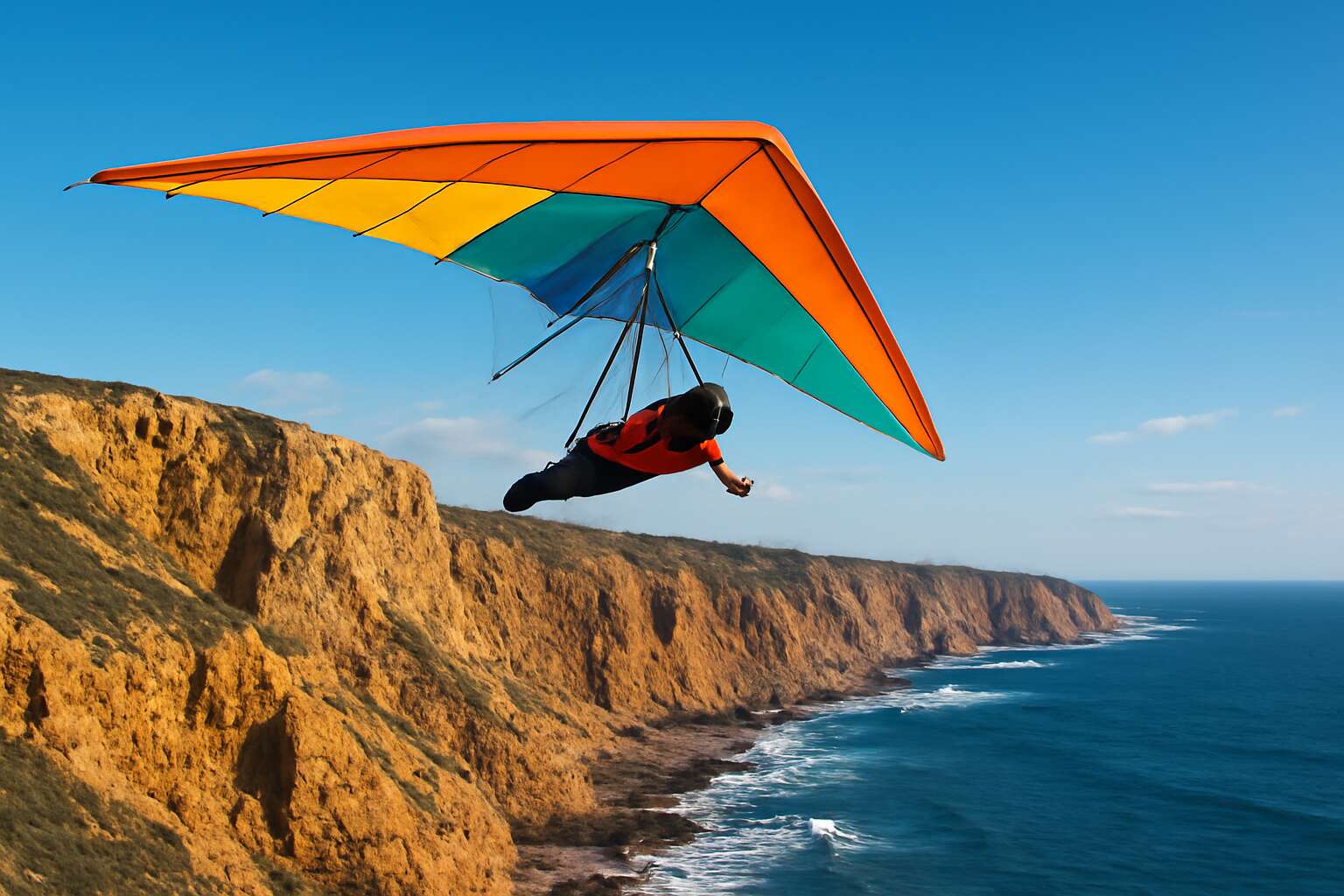
Hang Gliding Equipment and Gear Overview
Harness systems and pilot comfort
Flight begins long before the first gust meets your frame. “Comfort is the quiet safety feature,” a veteran once told me, and that line lands hard! For the hang glider, the harness is more than hardware—it is the body’s passport to the sky, shaping posture into balance.
Harness systems cradle the spine and align the body with every thermal push. Modern designs trade bulk for ergonomic back supports, weight-redistributing straps, and breathable fabrics that wick moisture without chafing. In South Africa’s winds, I respect how every adjustment earns your trust.
- Adjustable, contoured back support for the hang glider
- Shoulder and leg straps for even load distribution
- Breathable, moisture-wicking materials
- Reliable quick-release hardware for rapid handling
All told, the gear becomes a partner in the pilot’s narrative—quiet, constant, decisive as you lift into the air.
Sail materials and frame construction basics
Consider the sail and the skeleton—the hang glider isn’t a weather diary; it’s a wind translator. A veteran quip goes, “The wing is only as good as the cloth that remembers the wind.” Sail materials range from Dacron polyester—for everyday flights—to Mylar laminates that cut drag for speed chasers. In South Africa’s capricious gusts, shape retention and UV resistance aren’t luxuries; they’re the difference between a comfy lift and a tense hover.
- Sail materials: Dacron polyester, Mylar laminates
- Frame construction basics: aluminum alloy spars, crossbars, and fittings
- UV protection and abrasion resistance
- Quality hardware: corrosion-resistant fasteners and quick-release options
Frame basics continue: streamlined frames employ aluminum alloys for lightness and stiffness. When these pieces align, you feel the wind more as a partner than a test.
Control frame and hang points
In South Africa’s wind-sculpted skies, the hang glider is more than gear—it is a living instrument. A veteran pilot once whispered, “The wind is a living canvas,” and every flight proves the truth in that line.
The control frame acts as the conductor of the sky symphony. Forged from aluminum alloys, it channels your touch into precise pitch, roll, and yaw, and I have learned that the hang points invite harmony between pilot and wing, turning capricious gusts into a confident glide.
- control frame geometry for responsive handling
- adjustable hang points that balance the pilot’s reach with the wing’s pull
- corrosion-resistant hardware and fittings that endure SA’s coastal air
When these elements unite, the experience feels almost lyrical—two figures moving together through a sea of light and air, the hang glider and the pilot sharing fate with the wind.
Safety gear and emergency equipment
In South Africa’s wind-sculpted skies, a hang glider becomes a living instrument. A veteran pilot once whispered, “The wind is a living canvas,” and every launch proves the truth. This is gear that feels less like metal and more like a partner, ready to respond as the horizon breathes.
Safety gear and emergency equipment form the quiet backbone of every flight. Think helmet, impact gloves, knee pads, and a compact reserve parachute; radio communications and a personal locator beacon accompany longer hops along the coast. In the unpredictable SA coastal air, reliability means a kit that stays stout under salt spray and heat.
- Helmet with secure fit and standard protection
- Impact gloves and knee pads
- Reserve parachute
- Emergency beacon or PLB
- Two-way radio
Together these items let the hang glider and pilot move with the wind rather than against it, preserving poetry in motion without losing practical safety.
Instrument cluster and flight data basics
Across South Africa’s coastlines, a hang glider writes a fleeting poem in the sky. The instrument cluster is the translator between wind and will, turning raw air into readable motion. The air never lies, a veteran pilot insists, and the display proves that truth in altitude, speed, and climb.
From a careful glance, I see the cluster offering a steady chorus for a hang glider pilot: altimeter, airspeed, variometer, compass, and GPS feed. The screen remains legible under salt spray and sun, its data guiding a smooth glide. Think of it as a pilot’s quiet compass in metal and glass.
- Altitude and vertical rate
- Airspeed indicator
- Variometer for lift and sink
- GPS data and waypoint tracking
And in the SA wind, this instrument cluster keeps the flight honest, readable, and ready for the next lift.
Core Flight Principles of Hang Gliding
Lift, drag, and stability fundamentals
With a hang glider, the world unfolds beneath and ahead, inviting a quiet conversation with the wind. More than 70% of first-time pilots report a sense of freedom that lingers long after landing, a reminder that flight begins with physics as much as nerve. Lift, drag, and stability are the trio that shape every glide: wings catch the air, resistance rises with speed, and a subtle balance keeps the line between control and drift steady. The craft becomes a compass toward rising currents and the horizon.
Across South Africa’s windy coastlines, those principles guide every ascent—the wind, the land, and timing joining in a patient dialogue that yields quiet ascent and a respectful landing.
Launch, climb, and control techniques
Across the South African coastline, the core flight principles begin a quiet dialogue with the wind. A hang glider responds with a dancer’s arithmetic: lift meeting air, weight coaxing trim, and a patient balance that keeps horizon and heart aligned. The moment of launch is a breath; the climb a rising chorus; the control a whisper that preserves grace as the land falls away beneath the wings!
This is the poetry of flight: clean lines, precise balance, and the air’s own sense of timing. Three phase essences weave together—launch, climb, and control—each a chapter in the glide that follows the sunlit coastline.
- Launch
- Climb
- Control
The hang glider writes its story in air and light, a living map of wind and wonder. Here, the South African breeze tutors the eye and heart as they ascend toward the horizon.
Wind window and weather considerations
Wind is the metronome along South Africa’s coastline, and as one pilot puts it, “the wind writes the glide.” The wind window marks safe ranges of speed and angle; outside it, lift wanes or control slips. Pilots read the air by listening to gulls, spray, and the texture of the breeze—every lift and lull shaping the glide toward the horizon. A good day honors the wind, not the ego!
Weather considerations form the quiet map of any flight. Coastal mornings bring changing winds, sea breezes, and occasional thermals that tune the air’s rhythm. Reading these signs keeps a hang glider true to its line and height.
- Wind direction and speed
- Turbulence and gusts
- Thermal activity and cloud base
- Visibility and precipitation
On a good day, the hang glider skims the sea and sky, a quiet partnership with air and light.
Sail shape and airfoil behavior
An edge of camber can tilt a flight from smooth to razor-sharp. For the hang glider, sail shape is the engine of performance—lift, stability, and glide all hinge on airfoil behavior. “The sail is the heart of the wing,” a veteran pilot notes, and the sky seems to agree as wind tests the day.
Core flight principles hinge on airfoil behavior. Key aspects include:
- Camber and chord distribution shape lift across the wing
- Twist or washout to keep a uniform angle of attack along the span
- Planform and sail area balancing stability with maneuverability
In South Africa, coastal conditions test these shapes daily. Sea breezes and thermals demand consistent loading and predictable response, so the airfoil’s design pays off in efficiency and control.
Selecting and Buying a Glide for Hang Gliding
New vs used gliders pros and cons
Amid South Africa’s generous skies, the choice of a hang glider is less a purchase than a pact with the wind. A new glider offers unblemished performance, dependable warranties, and the allure of the latest materials. A used glider, by contrast, invites a gentler price tag and a narrative of miles flown, with the caveat of longer scrutiny and uncertain service history. The right decision blends budget, support, and a quiet trust in inspection, because a glider is a companion, not a trophy!
- New glider: pristine aerodynamics, warranty, and dealer support
- Used glider: lower upfront cost, history to verify
- Key checks: weight range, repairs, parts availability
Whichever path you choose, the horizon remains a shared invitation—craft, care, and community guiding the way toward dependable, enduring flights.
Model families and wing loading considerations
In South Africa’s wide skies, the right hang glider is a trusted companion, not a trophy. “The sky rewards fit,” a veteran SA instructor likes to say, and wing loading is the quiet lever that determines joy in the air. When selecting from model families, size, trim, and load range matter as much as price.
- Model families aligned to your weight and height
- Wing loading ranges tuned to your flight envelope
- Dealer support, service intervals, and warranty
- Inspection history and parts availability for pre-owned gliders
Balance your budget with a plan for ongoing care, and let the horizon invite you with confidence, knowing your choice respects the wind as much as your plans.
Certification, safety records, and inspections
Certification isn’t a finish line—it’s the launchpad. In South Africa’s wide skies, a hang glider purchase should feel like a long-term partnership, not a one-off transaction. You want a craft sized for your body and your growth, supported by a dealer who stays involved as you progress.
Safety records and inspections are your weather gauge. A glider with documented service intervals, current inspections, and a proven track record earns confidence before you lift. Here are essentials to verify:
- Certification history and model lineage
- Safety record and incident history
- Inspection history and parts availability
The right choice balances evidence and trust, and the horizon stays inviting.
Sizing, weight range, and pilot skill compatibility
The South African sky welcomes those who size their dreams to their frame. A thoughtful hang glider choice begins not with price, but with balance—your height, torso, and kit weight meeting a wing area that feels like a natural extension of you.
Your weight range and current pilot skill compatibility ensure you ride comfortably, not overwhelmed. A dealer who supports growth will guide you toward a model you can grow into and fly confidently as you progress.
- Weight range alignment with your gear and preferred performance
- Control responsiveness suited to your experience level
- Ground handling and inflation ease for your stature
In moments of lift and glide, the right fit feels inevitable—a promise as sure as the breeze across the Highveld.
Maintaining and Inspecting Your Gear
Preflight inspection checklists
A quiet header before lift-off can determine where your story in the sky ends. For a hang glider, maintenance is a pact with the wind—an unseen ledger where fabric, cables, and balance speak in whispers. In South Africa’s diverse skies, a meticulous preflight inspection is the difference between a soaring memory and a hard landing.
In this ritual, a concise preflight checklist keeps the magic intact.
- Structural fabric and seams
- Lines, attachments, and knots
- Harness fit and release system
- Auxiliary gear and safety devices
Beyond the inspection, confidence grows with each quiet moment—readiness woven into gear and the air you share with distant peaks and savannah winds.
Rigging, assembly, and storage best practices
Care for your gear reads like a quiet oath between earth and sky. In the workshop hush, a hang glider becomes a living ledger of wind and time, reminding us that the air chooses the worthy. Rigging, frame, and fabric deserve patient attention—a covenant paid in sun-warmed mornings and shadowed hangars.
Regular eyes scan for subtle signs: fibers mellowed by light, fittings bearing the kiss of corrosion, knots that carry too much history. The dialogue between wing and lines is delicate; even a small shift in tension can ripple through the air of a hang glider, a whisper that travels ahead of any pilot. Keep the gear dry, dust-free, and free of anything that unsettles balance.
Storage becomes a ritual of respect: a cool, dry space away from harsh UV and damp corners where components breathe and order endures through the seasons. When the time comes to reunite with the air, the harmony between parts greets the pilot like an old ally.
Inspection intervals and common wear points
“Care is the engine of trust,” a veteran rigger told me, and it echoes at first light as a hang glider rests in the field, its fabric and frame whispering of miles and mornings. The gear keeps time with the air, not the clock.
In the South African windscape, inspections unfold with the season—the rhythm is gentle, not punitive. Common wear points gather stories: seams that have softened, lines that show slight sag, and fittings with a halo of corrosion under the sun.
- Fabric seam integrity
- Line wear near fittings
- Corrosion on metal hardware
- Frame joints and attachment points
These quiet signals invite reverence for the craft as a partner, not a possession.
Repair and professional servicing options
Wind on the Highveld gives no mercy. In South Africa, more than 60% of field incidents trace to worn seams or corroded fittings—proof that gear health is a daily habit for any hang glider pilot. Maintenance is a quiet ritual: clean, dry fabric, inspect lines, and test the rigging after transport. Each flight should begin with respect for the air and the gear that carries you—skinny mornings, full confidence.
- In-field inspections and minor repairs
- Certified fabric and frame servicing
- Component replacements and anti-corrosion treatments
For deeper care, work with certified riggers and trusted local service centers that understand South Africa’s conditions. Regular servicing keeps joints quiet, fabric tight, and hardware protected from sun and sweat. Store gear in a cool, dry place and run a light re-tensioning check after long rests on the rack.
Accessory care and replacements
Across South Africa, about 60% of field incidents trace to worn fittings, seams, or corrosion. That statistic is a blunt reminder that accessory care isn’t cosmetic—it’s safety. A quiet, disciplined maintenance ritual keeps every flight predictable and the air friendlier to a pilot’s confidence.
Maintaining your hang glider accessory kit means checking every add-on as closely as the wing itself. Look at fasteners, cables, and attachment points. Quick checks help prevent small issues from growing into a fault on the day of launch:
- Quick-release pins and buckles for proper seating and spring tension
- Carabiners, swivels, and shackles for rust or burrs
- Lines, cords, and wear at attachment points
- Fittings, anti-corrosion coatings, and exposed metal surfaces
Store gear in a cool, dry place and arrange for replacements by certified riggers when needed. Regular servicing keeps joints quiet, fabric taut, and hardware protected from sun and sweat, turning maintenance into a straightforward habit rather than a looming risk.
Training, Licensing, and Safe Practice
Finding certified training programs
In South Africa, your journey with a hang glider begins through certified training programs that fuse theory with hands-on sky experience. I’ve watched newcomers shed hesitation as the ground falls away, and their rhythm with the wind begins to sing!
Licensing, under SACAA oversight, anchors a solid safety culture—requiring knowledge, flight time, and medical clarity. It is not a formality but a vow to the air and to fellow pilots.
Safe practice rests on mentorship, ongoing recurrency, and honest self-checks. Seek partners who emphasize weather humility, equipment care, and disciplined decision making—the quiet conviction that safety makes the glide stretch toward the horizon.
Progression from beginner to advanced techniques
“The air rewards patience,” an instructor often says, and South Africa’s dawn seems to agree. Certified training programs fuse theory with hands-on sky experience, turning a hang glider into a patient tutor that teaches balance, judgment, and nerve in whispers of wind.
Licensing under SACAA anchors that invitation in safety. It demands knowledge, flight time, and medical clarity—an oath rather than a formality. When I train, I hear the air affirm that mastery is earned, not assumed, and responsibility travels with every launch.
Safe practice progression grows through mentorship, recurrency, and honest self-checks. Seek partners who prize weather humility, meticulous equipment care, and disciplined decision making—the quiet conviction that safety stretches the glide toward the horizon. The journey from novice to capable hang glider pilot feels less like risk and more like a vow.
Safety rules, weather planning, and decision making
Training for the hang glider pilot in South Africa blends theory with field alchemy. Instructors speak of patience as the wind’s tutor, guiding hands and nerves toward balance, judgment, and the courage to listen before leaping.
Licensing under SACAA anchors this voyage in safety, demanding knowledge, flight time, and medical clarity. It is an oath, not a formality, that travels with every launch and reminds the skies that mastery earns respect from the air.
Safe practice hinges on weather planning and disciplined decision making. Seek partners who prize humility before storms, meticulous gear care, and honest self-checks when conditions tighten.
- Weather humility and site limits
- Rigging and equipment readiness
- Conservative decision making in marginal air
Competition and cross-country considerations
Training under the SACAA regime in South Africa fuses classroom grit with field improvisation, turning the hang glider from a daredevil stereotype into a patient, balanced craft. Instructors chase that rare blend of nerves, judgment, and listening before leaping, because a launch is a conversation with the wind, not a dare to outrun it.
Licensing isn’t a checkbox; it’s a covenant—knowledge, flight time, and medical clarity binding you to the skies. It travels with every launch, a compact oath that earns a captain’s respect from the air and reminds you to keep the ego under wraps when the air stirs.
Safe practice leans on weather humility and conservative choices on marginal days. Competition and cross-country flying demand discipline, planning, and respect for terrain—the kind of preparation that turns gusty horizons into stories rather than wreckage.
- Terrain familiarity and exit options
- Airspace awareness and sharing the sky
- Emergency planning and on-ground logistics

0 Comments