
Understanding Gliders and Their Place in Aviation
What is a glider? Key features and uses
Gliders harness wind like no other aircraft. In a good day, a glider can stay aloft for hours, weaving between thermals and ridge lift. That efficiency is why pilots prize the craft’s elegance and precision. gliders cos champions this blend of design and skill.
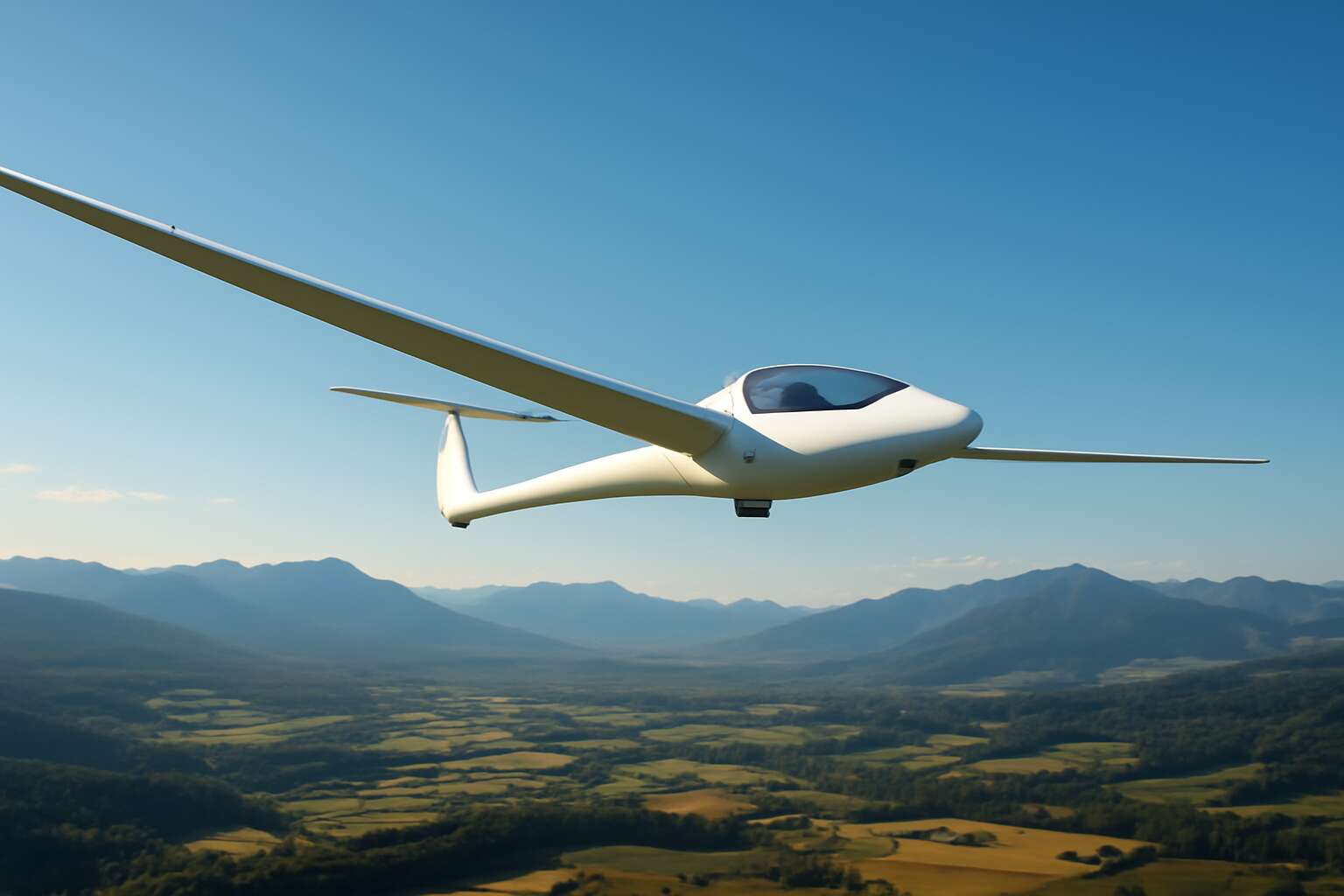
What is a glider? It is a light, engine-free aircraft that relies on rising air and careful handling to stay airborne. A glider features a long wingspan, a clean fuselage, and air brakes that tame descent. They support training, cross-country soaring, and experimental flight as part of aviation’s broader tapestry.
- Long wings for efficient lift and glide quality
- Tow release systems and airbrakes for control
- Lightweight, strong composites and simple systems
- Quiet, introspective flight that respects weather and air
In South Africa, gliders cos plays a role in clubs and competitions, blending craft and weather into a disciplined sport.
Sailplanes vs motor gliders: distinguishing types
Gliders are the quiet chess players of aviation, turning weather into a deliberate partner rather than a mere backdrop. Sailplanes, with their slender, high-aspect wings, excel at riding thermals and maintaining a disciplined glide. Motor gliders, by contrast, offer the same elegance with a practical twist: a small engine for launch and contingency. Both paths prize precision, energy efficiency, and a respectful dialogue with the sky.
- Sailplanes (unpowered gliders): maximize glide efficiency and endurance, weaving between thermals for hours of serene flight.
- Motor gliders: keep the gliding ethos intact while adding propulsion for self-launch or extended missions.
In South Africa, gliders cos binds clubs through friendly competition and shared weather lore, turning open spaces and inland horizons into laboratories of balance and elegance.
How gliders fly: basic aerodynamics and performance factors
Gliders take the sky’s pulse and ride it—an art form where a well-tuned wing turns weather into momentum. In South Africa, gliders cos clubs prove that a quiet wing can move a crowd, with soaring sessions that feel like a calm conversation with the clouds.
How gliders fly comes down to simple, stubborn physics: lift generated by long, slender wings, gravity pulling downward, and drag that must be coaxed into retreat. High-aspect-ratio wings maximize glide ratio, while a careful airspeed keeps the craft in a sweet spot between speed and efficiency, even when thermals flicker.
Performance depends on weather, pilot skill, and aircraft weight. The best gliders cos pilots read the sky as a partner, chasing rising air with patience and precision. Key factors include:
- Lift-to-drag ratio and glide angle
- Wing loading and airframe weight
- Thermal dynamics and atmospheric stability
Common terms and how to read a glider specification
Understanding gliders and their place in aviation begins with a shared vocabulary. In South Africa, gliders cos communities show how a quiet wing can move a crowd and turn the sky into a conversation with the wind—flight that feels calm, exact, and alive.
Common terms anchor the dialogue: lift, drag, and glide ratio; airfoil shape; wing loading. Reading a glider specification isn’t arcane; it’s practical. Look for wingspan, empty weight, maximum takeoff weight, and performance lines like lift-to-drag and sink rate. gliders cos guides make this jargon approachable for pilots and enthusiasts.
- Wingspan: measure of span and a primary driver of stability and glide potential
- Lift-to-drag ratio (L/D): how far the glider travels for each unit of altitude lost
- Sink rate: vertical speed in still air, a key to thermals and optimal circling
- Wing loading: weight per square metre, shaping handling and stall behavior
Types of Gliders and Their Applications
Sailplanes: pure gliding performance
Gliders carve hours from air, turning quiet into a map of ascent and glide. Modern sailplanes offer glide ratios near 40:1, so a modest height yields generous horizons. For gliders cos, the magic is patience and energy craft—the art of riding air currents.
Types of gliders span mission and mood. Sailplanes deliver pure gliding performance; training gliders build handling; cross-country machines chase distance; competition gliders sharpen precision.
- Training gliders for beginner pilots
- Cross-country and distance soaring
- Research, meteorology, and light-air sampling
In South Africa, clubs savor long, sunlit sessions above escarpments and coastlines. The gliders cos ecosystem rewards thoughtful selection and patient ascent.
Motor gliders: propulsion for extended flight
Gliders cos unfold their patient wings across South Africa’s wind-stitched skies, where the quiet becomes a compass and time itself seems to stretch. On a capable day, even a modest launch blossoms into hours of unhurried ascent and serene glide. Types of gliders span mission and mood, from nimble training ships to cross-country cruisers and sprinting competition craft; and then there is the motor glider, a vessel of propulsion for extended flight that invites new horizons!
Each class serves a purpose, shaping handling, performance, and data.
- Training gliders for beginner pilots, refining control and discipline
- Cross-country machines that chase distance in thermals and buoyant air
- Motor gliders: propulsion for extended flight, blending power with glide to reach remote airfields
In this spectrum, gliders nurture patient ascent strategies—energy management, situational awareness, and the joy of silent flight.
Training gliders and aerobatic gliders
Training gliders set the stage for a lifetime of patient piloting, where every turn teaches balance and energy management. These machines prioritize forgiving handling, long wings for steady trim, and dual controls that invite instructors and students to share the decision. Aerobatic gliders, by contrast, are built to dance with gravity—delivering crisp maneuvers and resilient airframes that manage inverted flight and tight loops with calm assurance.
- Dual controls support safe instruction
- Forgiving, high-strength airframes
- Clear, readable instrumentation for rapid decisions
Across South Africa, gliders cos maps a steady path from beginner training to advanced aerobatics, offering reliable training gliders and aerobatic gliders to clubs along the coast and highveld. These machines teach wind awareness, energy management, and composure under pressure, turning simple launches into confident flights and complex maneuvers into graceful routines.
Specialized gliders: cross-country and competition models
In South Africa’s skies, specialized gliders unlock journeys that once demanded a caravan and compass. Across coastlines and highveld, cross-country and competition machines extend the horizon, turning endurance into an art—clubs report a palpable surge in long-distance gliding this season, and gliders cos invites the curious to chase it.
Two faces stand out in specialized gliders: cross-country models for long treks and competition models optimized for peak glide and precision. The right choice blends wing design with mission profile. From a pilot’s vantage, I watch these machines tell long stories:
- Cross-country gliders: long, slender wings for endurance and forgiving handling on long legs.
- Competition models: compact airframes, high aspect ratio wings, precise instruments.
Whether along sea breeze or highland thermals, the gliders cos network connects clubs to advanced platforms, weaving training with competition-ready performance and turning every flight into a measured, lyrical descent.
Costs, Financing, and Total Ownership of Gliders
Purchase price ranges: new vs used
A bright ledger glides into view: in SA, gliders cos cost about the same as a modest car for a lifetime of wind and wonder—if the numbers are read with care.
Costs start with the purchase price. New gliders provide the latest aerodynamics and reliable performance, but carry higher upfront costs. Used models offer substantial savings, yet may require upgrades or more frequent maintenance to keep pace with current standards.
Financing avenues include bank loans, manufacturer plans, or aviation-focused lenders. For SA buyers, choosing the right partner helps compare deposits, insurance requirements, and contingency funds for maintenance—factors that shape total ownership, especially with VAT and import considerations.
Total ownership of this investment encompasses hangarage or storage, insurance, routine servicing, inspections, and periodic overhauls, plus the opportunity cost of training flights and potential resale value in a vibrant market.
Ongoing operating costs: maintenance, storage, insurance
A striking truth for SA aviators: gliders cos are not merely toys; they are year-after-year commitments. Gliders cos—a phrase you’ll hear in SA circles—place dreams on a ledger that must be read with care, because the real price unfurls in maintenance, storage, and insurance over time.
Costs start with ongoing operating costs: maintenance keeps the wings singing, storage in a secure hangar guards the airframe, and insurance cushions the inevitable mishap. Little expenses accumulate season to season, from routine checks to component overhauls.
- Routine maintenance and inspections
- Secure hangarage and storage fees
- Insurance premiums and liability coverage
Financing avenues include bank loans, manufacturer plans, or aviation-focused lenders. For SA buyers, choosing the right partner helps compare deposits, insurance requirements, and contingency funds for maintenance—factors that shape total ownership, especially with VAT and import considerations.
Total ownership encompasses hangarage or storage, insurance, routine servicing, inspections, and periodic overhauls, plus the opportunity cost of training flights and potential resale value in a vibrant market.
Financing options and tax considerations
Costs for gliders cos in South Africa stretch beyond the sticker price. VAT, import duties, and a prudent maintenance reserve shape the ledger as surely as the glider’s silhouette against a late afternoon sky. For clubs and private pilots, these costs arrive season by season, quietly accumulating.
- VAT treatment on imports and purchases
- Insurance and liability cost planning
- Maintenance reserves for overhauls
Financing options in SA span bank loans, manufacturer plans, and aviation-focused lenders. To compare deposits and insurance demands, buyers should map VAT treatment, import costs, and any tax incentives for training aircraft. A thoughtful lender partner makes the numbers feel fair.
Total ownership stitches storage, insurance, servicing, inspections, and periodic overhauls with the opportunity cost of flight training and the potential resale value in a lively market. The balance sheet grows slowly, yet the horizon remains bright.
Depreciation and resale value
Costs drift into the ledger like evening shadows: storage, routine inspections, and a prudent maintenance reserve that keeps the glider’s heart ready for the next season. In South Africa, depreciation writes its quiet tale as age and usage sculpt resale value.
- Depreciation timing by age and airframe family
- Market demand for training vs cross-country gliders
- Condition history and documented overhauls
- Insurance terms and impact on resale prospects
Financing options in SA span bank loans, manufacturer plans, and aviation-focused lenders, with terms that ride the same wind as the airframe’s longevity. For gliders cos, aligning down payment, insurance demands, and expected resale value yields numbers you can trust.
Total ownership stitches storage, servicing, and the time on the wing to a foreseeable resale horizon—the sum of care, reputation, and the opportunity cost of training. I’ve seen the path bend gently, and the market answer with renewed appetite for gliders cos!
Buying Guide and How to Choose the Right Glider
Key specs to compare: wingspan, empty weight, glide ratio
Gliding success begins with a fit, not just a price tag. A seasoned pilot once said, ‘Great gliding starts with a clear spec set!’ For SA buyers, gliders cos offers clear guidance through the noise.
Key specs to compare drive the entire choice. Consider these essentials:
- Wingspan
- Empty weight
- Glide ratio
Wingspan affects how you transport and where you can operate, especially on South African airstrips. Empty weight changes handling, storage needs and routine maintenance in busy clubs. Glide ratio translates long, smooth cross-country performance into real-world distances.
Across South Africa, the right choice balances capability with care. gliders cos keeps a catalog that helps align the spec sheet with club calendars and airfield realities.
Where to buy: clubs, brokers, manufacturers
Wings unfurl with a whisper of possibility. A seasoned pilot once said, ‘Great gliding starts with a clear spec set,’ and that truth slices through the noise for South African buyers. gliders cos understands the terrain—clubs, brokers, and manufacturers where the right craft hides in plain sight.
Where to buy: clubs, brokers, manufacturers—each path shapes your budget and your learning curve. gliders cos keeps a curated catalog aligned with local airfields, club calendars, and maintenance realities, translating numbers into navigable choices.
- Clubs provide ongoing access to training, storage, and a friendly maintenance network.
- Brokers offer broader model variety and flexible pricing structures.
- Manufacturers supply the latest models and official support packages for South Africa.
Beyond price, the fit matters. The right choice aligns your mission with storage, maintenance cadence, and airfield realities, turning numbers into a confident cross-country plan.
Assessing airframe condition and flight history
“Great gliding starts with a clear spec set,” a seasoned pilot once said, and that truth lands with pressure on the airframe. In South Africa, a careful buyer reads airframe condition and flight history before any price tag, turning numbers into confidence.
Buying guidance from gliders cos emphasizes a disciplined audit: examine the structure for corrosion, delamination, or fatigue cracks; verify flight histories for unplanned landings or unusual stress; confirm maintenance logs, service bulletins, and airworthiness status. A well-kept logbook often speaks louder than mint paint.
- airframe condition even small faults can cascade into costly repairs
- flight history revealing recurring issues or heavy loads
- maintenance cadence and recency of inspections
When these threads align, the choice feels inevitable, not impulsive, and the sky looks welcoming rather than daunting.
Test flights and evaluation criteria
Few moments in aviation feel more decisive than stepping up to a glider with a clear spectrum of checks. In South Africa, gliders cos reminds buyers that airframe health and the operating record set the true value, not glossy paint or a polished brochure.
A disciplined audit reveals what numbers can’t capture: the structure’s vitality, signs of corrosion, delamination, or fatigue cracks; review service records, bulletins, and current airworthiness.
- structural integrity and aging signs
- operational events including unplanned landings and heavy loads
- maintenance cadence and recent inspections
When the threads align, the choice feels inevitable and not impulsive. With the right balance of airframe insight and past stress indicators, gliders cos helps translate data into a sky-ready decision.
Training, Licensing, and Flight Planning for Gliders
Licensing requirements by country
Training in South Africa’s gliding clubs blends patience with a farmer’s steadiness. Dawn airstrips wake as instructors guide newcomers through ground handling, basic aerodynamics, and the quiet discipline of making careful decisions in the sky. A seasoned instructor once says, “Gliding is poetry in motion.”
Licensing follows SACAA’s framework, with a glider rating earned after ground school, medical clearance, and evaluation flights. Local bodies — SAGU among them — ensure standards, mentoring pilots from towline days to confident solo flights within the gliders cos community.
Flight planning anchors safety: pilots review weather, field conditions, and airspace before every launch. Consider these essentials:
- Weather briefing and trend checks
- Airspace and NOTAM awareness
- Contingency and landing options
These steps keep glider pilots grounded in reality while letting the sky speak.
Training pathways: student, instructor, type ratings
Training in gliders cos is a patient, lyrical voyage. Students begin with basics, pass into the hands of a seasoned instructor, and—when mastery calls—pursue type ratings that unlock new horizons. It feels like quiet poetry in motion.
Licensing follows SACAA’s framework: ground school, medical clearance, and evaluation flights. Within our network, SAGU mentors pilots from towline days to confident solos.
- Student path: fundamentals
- Instructor path: mentoring and safety
- Type ratings: advanced aerodynamics
Flight planning anchors safety: weather briefings, airspace awareness, and contingency options before every launch. In this gliders cos community, pilots tune their senses, letting careful planning harmonize with the sky.
Flight planning essentials: weather, thermals, and soaring strategies
In gliding, the ascent is a patient, lyrical voyage. Across South Africa, training under gliders cos mentors begins with fundamentals, moves into the hands of a seasoned instructor, and, when mastery calls, toward type ratings that unlock new horizons. As one veteran instructor likes to say, “Plan the flight, fly the plan.”
Licensing follows SACAA’s framework: ground school, medical clearance, and evaluation flights. Within gliders cos, pilots progress from towline days to confident solos, guided by mentors who stitch safety into every maneuver and celebrate small victories.
Flight planning anchors safety: weather briefings, airspace awareness, and contingency options before every launch.
- Weather briefings and forecast interpretation
- Airspace checks and NOTAM awareness
- Contingency options for lift, sink, and alternate fields
Safety and etiquette in gliding clubs
Training at gliders cos is a patient, almost meditative ascent into self-mastery! Across South Africa, novices learn to read the sky and the mentor’s signals, stitching safety into every move. The ethos is clear: mastery arrives through rhythm, respect, and relentless practice.
- Respect airspace and club etiquette
- Punctual preflight routines and honest self-assessment
- Clear, concise communication with instructors and teammates
The licensing path in this community follows SACAA’s framework: a formal knowledge foundation, medical clearance, and a culminating evaluation flight that marks readiness. Flight planning becomes a moral act—collecting weather cues, scanning airspace, and rehearsing contingencies when lift falters or skies darken.
0 Comments