
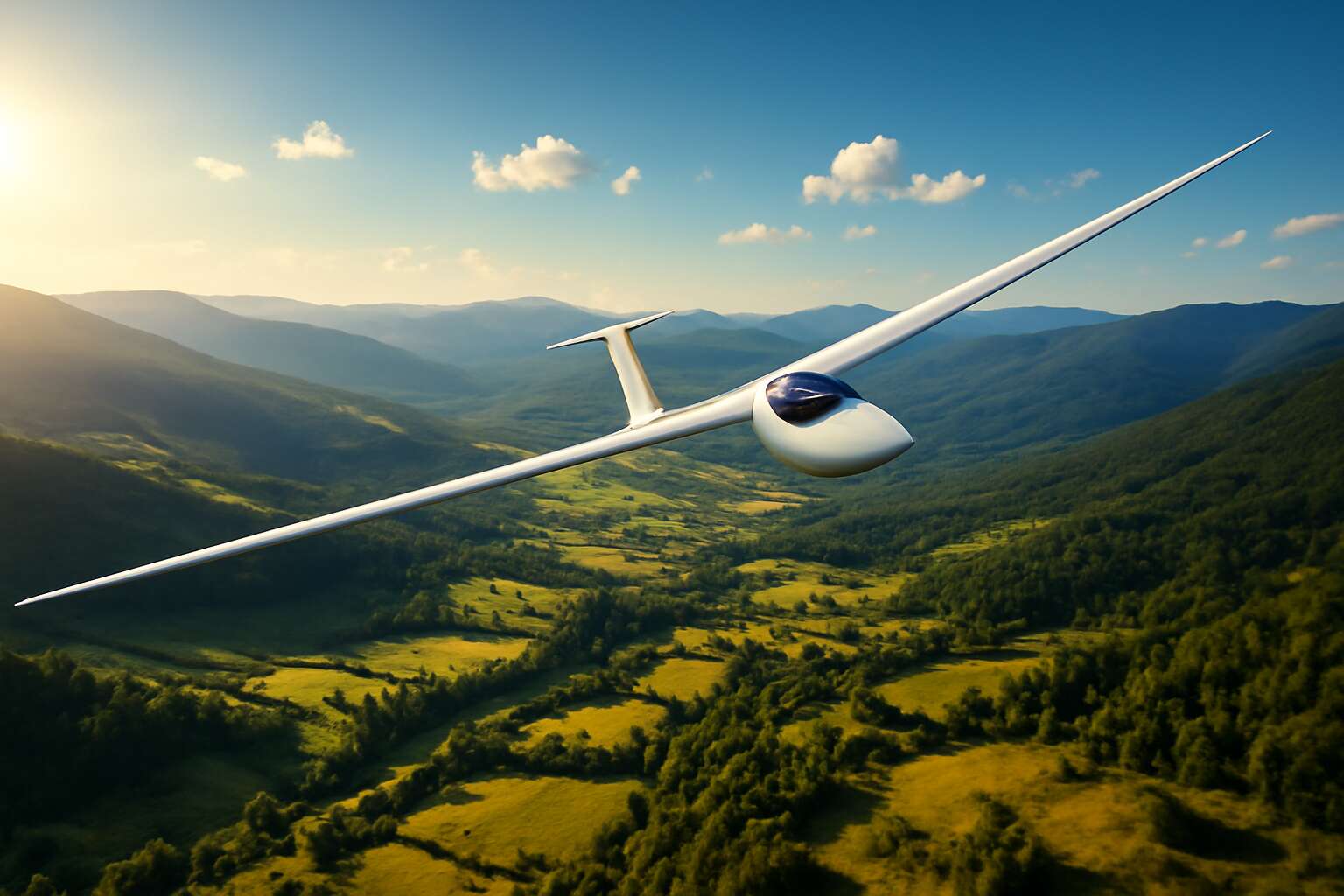
Understanding Glider Safety Fundamentals
What makes glider flight unique in terms of safety and dynamics
<p“The sky never lies,” says a seasoned South African glider pilot, and the question “are glider planes dangerous” is often asked. In South Africa’s wide skies, safety grows from weather literacy, disciplined checks, and a respect for the intimate dance between wind and wing.
Glider flight is unique because the aircraft is driven by rising air rather than an engine’s push. The glider’s long wings reward smooth energy management, steady airspeed, and precise control. Pilots cultivate wind sense, stall awareness, and a respect for weather cues that whisper through SA’s terrain.
- Wind patterns and thermals
- Airframe integrity and routine checks
- Energy management and best glide planning
These fundamentals shape how a glider behaves when the air shifts—an ongoing romance between craft and climate. In South Africa, the landscape invites pilots to read the sky like a map, turning hazard into harmony rather than panic.
Key safety considerations for glider pilots and operators
Gliding into South Africa’s dawn skies feels like stepping through a quiet temple of air. The sport’s safety ethos rests on calm assessment and disciplined training. “We move with patience,” a veteran pilot reminds us, and the air answers with respectful hush.
Understanding safety fundamentals presents key safety considerations like weather literacy, airspace awareness, and rigorous pre-flight checks. are glider planes dangerous? Not when preparation meets prudent judgment; skilled pilots read thermals, manage energy, and maintain clear communication with the tow or winch crew.
- Weather awareness and cross-checking data
- Maintenance of airworthiness and equipment
- Navigation, airspace discipline, and clear comms
- Calm decision making during launches and recoveries
Operators in SA cultivate a culture of mentorship, ensuring training paths respect terrain and weather quirks, from mountain wave to gusts. Safety myths fade when stories are told around the clubhouse fire, not in the clouds—and the spirit of glider flight remains mythic.
Common risk factors and how they influence gliding safety
Understanding glider safety fundamentals starts with a simple question: are glider planes dangerous? Not in the hands of pilots who treat every flight as a careful negotiation with air and gravity. In South Africa, weather literacy and disciplined decision-making shape the calendar more than chance does.
Common risk factors influence safety by amplifying small errors.
- Weather variability and microclimates that surprise even seasoned pilots
- Maintenance lapses or equipment wear that erode airworthiness
- Human factors: fatigue, cognitive overload, and radio comms gaps
- Airspace complexity and traffic management in popular routes
When these factors are understood, gliding remains bound to calm, measured flight, especially in SA’s dramatic terrains.
Environmental and Operational Risk Factors in Gliding
Weather conditions, thermals, and their impact on safety
“Weather is the true pilot,” a veteran glider instructor once said, and in South Africa’s wind-worn skies this rings especially true. Environmental and operational risk factors hinge on weather’s moods—thermals that lift you with buoyancy, then turn abrupt. When sun-bleached valleys spark tall cumulus, updrafts shift, gust fronts arrive, and wind shear can bite at altitude. The consequence is a fragile balance between lift and loss of control, a reminder that terrain and visibility press as hard as the air itself.
To navigate this environment, pilots lean on careful planning, terrain awareness, and timely decision-making. Are glider planes dangerous? Not inherently—danger grows when weather and judgment diverge.
- Thermals and cloud streets can shift lift quickly
- Wind shear near ridges or coastlines can disrupt energy management
- Visibility changes with fronts and dust can obscure cues
Airspace, geographic considerations, and collision avoidance
“Weather is the true pilot,” a seasoned glider instructor once said, and in South Africa’s wind-sculpted skies that maxim rings true. Environmental and operational risks hinge on air moods—thermals that lift you up, then shift unexpectedly. Terrain and visibility press on energy management, demanding a delicate balance between lift and loss of control.
Geographic realities shape gliding here: rugged escarpments, coastlines, and vast plateaus tailor winds and lift. These features interact with busy airspace, reminding pilots that position must extend beyond the cockpit to the map and the sky around you.
- Mountain wave potential along ranges
- Coastal sea-breeze fronts and inland shifts
- Ridge-top visibility corridors and terrain masking
Are glider planes dangerous? Not inherently—danger grows when weather and judgment diverge. Collision avoidance relies on see-and-avoid, traffic awareness, and respect for airspace boundaries. The phrase ‘are glider planes dangerous’ is commonly asked, yet the answer sits in nuance.
Equipment maintenance, preflight checks, and fault management
In South Africa’s hangars, maintenance lapses edge into the safety conversation. Some clubs note that roughly a fifth of equipment-related incidents come from faults hidden in the airframe or systems, not from thermals alone.
Environmental and operational risk factors hinge on gliding equipment maintenance, preflight checks, and fault management. The sky rewards a careful, patient touch, where even small discrepancies can ripple into a fleeting loss of lift or control.
- Airframe integrity and wear
- Canopy latching and release safety
- Ballast, rigging, and weight distribution
People often ask, are glider planes dangerous? The answer rests on weather’s mood and the pilot’s judgment, tempered by the machine’s condition. A focused look at fault management—and the way a team records and investigates issues—speaks volumes about safety culture.
In the end, the bond between glider and sky is built from careful, quiet maintenance that respects the valley and the pilot.
Human factors: decision making, fatigue, and situational awareness
Two minutes of misreading a thermal can rewrite a calm glide into a cautionary tale! The question lingers: ‘are glider planes dangerous’—the answer sits at the edge of weather and judgment, tempered by the airframe’s quiet condition. In South Africa’s hangars and clubs, human factors often ride the wind as closely as thermals do—subtle, persistent, and powerful.
Environmental and operational risk factors cluster where decision making, fatigue, and situational awareness collide. In calm skies or busy thermal fields, those factors tilt outcomes as surely as the wind shifts.
- Decision making under pressure
- Fatigue and cognitive overload
- Maintaining situational awareness in busy airspace
The bond between glider and sky is sustained by quiet, careful routine—thoughtful decisions, fatigue-aware attention, and a culture that records what happened so the valley remains a friend.
Safety Compared: Gliders versus Powered Aircraft
Flight dynamics and power absence: implications for safety
In South Africa’s dawn light, gliders carve a quiet arc, and a question lingers: are glider planes dangerous? Not inherently. The danger, when it exists, comes from reading the sky without engine power. Gliders harvest energy and glide with careful precision—quite different from powered aircraft.
Safety rests on understanding this power absence.
- Energy management and glide ratio drive performance after takeoff.
- Stable speeds are narrow; straying invites sink or stall.
These realities meet SA skies with quiet honesty. The question ‘are glider planes dangerous’ lives in some chats, but the safe answer lies in training, weather literacy, and a community that respects the sky.
Safety statistics and what they reveal about risk in gliding
In the South African dawn, numbers tell a peculiar truth: are glider planes dangerous? The answer lies in context and training rather than engines or wings. Gliders trade power for energy management, and that discipline shapes risk as wind shapes a glider’s arc.
Safety statistics comparing gliders with powered aircraft reveal a shift in risk: engine failures vanish from the risk ledger, while weather misjudgments and human factors rise in prominence. When flown with weather literacy and proper airspace discipline, gliders show a compelling safety profile. This is where people ask: are glider planes dangerous?
- Engine-out risks are absent by design, altering the common failure spectrum.
- Weather and pilot decision-making become the core determinants of safety outcomes.
- Collision avoidance relies on clear airspace rules and disciplined communication.
In South Africa, these statistics underscore the value of rigorous training and live weather understanding, where gliding’s poetry meets prudence on the sky’s canvas.
Training standards, certification, and ongoing competency requirements
In South Africa’s dawn sky, figures from local aerodromes remind us that knowledge is the real engine: are glider planes dangerous? The answer hinges on standards and ongoing practice, not on metal or airframe.
Training standards, certification, and ongoing competency requirements set the rhythm of safety:
- Structured training standards that progress from basic control to complex meteorological scenarios.
- Certification processes that verify both skill and weather literacy before solo flights.
- Regular competency reviews and revalidation to keep pilots sharp in shifting winds and airspace rules.
Compared with powered aircraft, glider training emphasizes energy management and decision-making under weather. These elements compound safety with time and practice, ensuring pilots glide rather than guess.
Practical Safety Best Practices for Gliders
Comprehensive preflight planning and inspection routines
In the quiet hours of South Africa’s glider clubs, one question stirs in the hangar: are glider planes dangerous? The answer isn’t fear; it’s discipline. Practical safety begins with comprehensive preflight planning and a meticulous inspection routine that treats every flight as a pact with the air—airframe integrity, canopy clarity, and tow-release readiness.
- Airframe integrity and control surface condition
- Canopy integrity and visibility
- Instruments and fault awareness
- Tow-release mechanisms and ballast status
Beyond the hangar, routine checks extend to records, cross-checks, and a grounded mindset that keeps the flight safe rather than sensational. I’ve watched how these habits defuse tension in marginal air and sustain sharp decision making when thermals shift. the phrase “are glider planes dangerous” is answered by consistency, awareness, and respect for South Africa’s skies.
Structured pilot training and recurrent education programs
In the hush of South Africa’s glider clubs, practical safety is a ritual, not a superstition. Structured pilot training and recurrent education turn risk into routine, a discipline you can hear in the click of harnesses and the patient cadence of briefings. The question lingers—are glider planes dangerous? The answer is weathered by process: from theory to tow-off to release, the mind rehearses every contingency until decision becomes instinct.
- Scenario-led training with progressive challenges
- Regular recurrency flights and reflective debriefs
- Mentor-guided cross-checks and safety briefs
In that cathedral of air, knowledge is the lantern. When training rituals guard the craft, the night becomes navigable, and fear dissolves into practiced judgment, making every flight a measured ascent rather than a gamble.
In-flight risk management and decision-making protocols
The question—are glider planes dangerous—resonates in the hush of South Africa’s clubs, but the answer isn’t doom—it’s discipline. Safety here is a ritual: weather literacy, meticulous checks, and decision-making trained until it feels automatic.
Practical safety best practices in flight hinge on constant vigilance and simple, repeatable protocols. Consider these in-flight guardrails:
- Maintain continuous situational awareness and clear communication as a mindset
- Embrace conservative energy management and timely release decisions as a discipline
- Foster rapid, reliable cross-checks and safety briefs as a culture
Such rituals keep the mind sharp; when doubt arises, the margin habit saves minutes that would otherwise become margins on a map of risk.
Emergency procedures, crash survivability, and drills
“Discipline is the bridge between goals and accomplishment,” and in South Africa’s gliding clubs the question “are glider planes dangerous” often dissolves into well-honed routines and weather literacy that keep risk tame.
Practical safety best practices hinge on calm vigilance and simple, repeatable protocols for emergencies and crash survivability. The following in-flight drills help keep responses automatic:
- Maintain continuous situational awareness and clear communication as a mindset
- Adopt conservative energy management and thoughtful release decisions as a discipline
- Foster rapid, reliable cross-checks and safety briefs as a cultural norm
In South Africa, these rituals translate into a mindset where crash survivability is built into every flight, not luck. The result is a profession of pilots who glide with confidence, even when the sky throws a curveball.
Regulatory guidelines, procedures, and safety culture within gliding communities
Practical safety in gliding thrives where regulatory guidelines, clear procedures, and a shared safety culture anchor every flight. In South Africa, SACAA oversight and the South African Gliding Union shape training, certification, and incident reporting, turning risk into measurable practice. The perennial question, are glider planes dangerous, finds its answer in disciplined routines, not luck. When clubs rehearse decision-making, maintain precise communication, and uphold standardized practices, risk stays tame even when skies grow unpredictable.
- Regulatory alignment and ongoing competency requirements
- Structured incident reporting and learning loops
- Community-based safety audits and peer accountability
Beyond compliance, communities cultivate a culture of continuous learning and mutual accountability. Regular reviews of procedures, debriefs after flights, and reverent attention to fatigue and workload keep the sport glamorous and safe.
0 Comments