
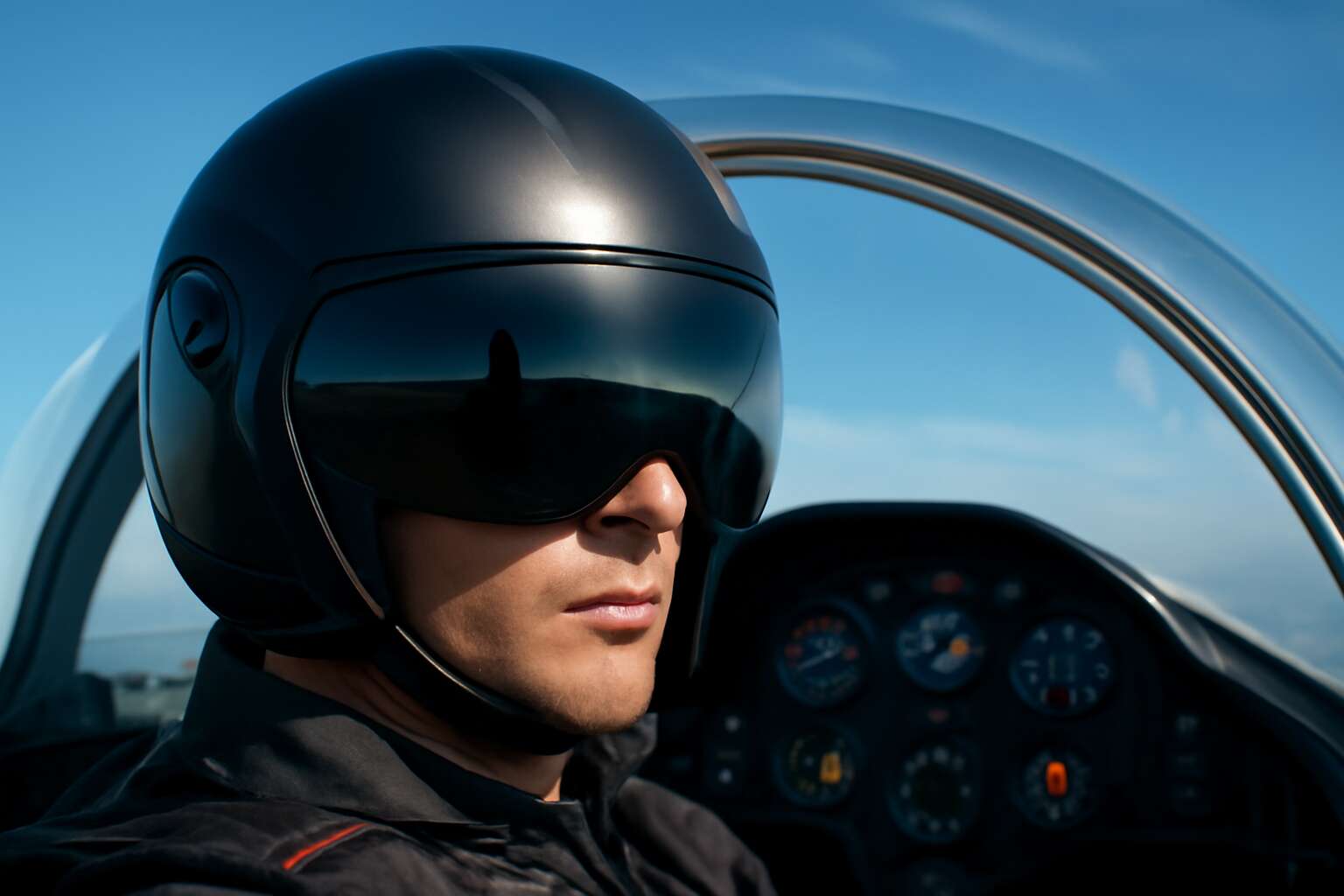
Understanding Glider Helmet Visors
What is a glider helmet visor
Visibility is the edge between a clean line and a missed lift—a recent survey found that 87% of gliding pilots report higher confidence with a properly shielded gliders helmet visor.
A gliders helmet visor shields the eyes from wind, dust, and glare, while allowing a wide field of view. It also helps manage varied light levels—from early morning humidity to bright mid-day sun—so pilots can stay focused on lift and wind indicators.
- Clear optical quality with anti-fog and UV protection
- Varied tints and photochromic options for changing light
- Durable, scratch-resistant polycarbonate and secure mounting
In South Africa’s skies, pilots value visors that perform from the Karoo’s glare to the Cape’s coastal mists, pairing rugged build with precise optics for fearless forested valleys and open plains alike.
Key visor features and benefits
A recent survey found that 87% of gliding pilots report higher confidence with a properly shielded gliders helmet visor. In the cockpit, visibility becomes a quiet moral choice—not just a line of sight, but a commitment to safety and lift.
Designed for harsh, variable South African skies, it balances wind protection with a broad field of view. Consider its practical benefits in real conditions:
- Anti-fog, UV-protective optics for sustained clarity
- Tinted, clear, or photochromic options to match light levels
- Scratch-resistant polycarbonate and secure mounting for rough air
From Karoo glare to Cape mist, the gliders helmet visor becomes a trusted companion in every flight path. Rugged, precise optics meet secure mounting, turning weather into information rather than obstacle. In this light, choosing the right visor is choosing clarity over chaos.
Visibility and field of view considerations
The cockpit feels like a quiet stage where every gust writes its own drama. “Visibility is safety in the open sky,” says a veteran Cape glider pilot, and the right gliders helmet visor makes that truth tangible.
Understanding visibility starts with field of view in your palm and at a glance across the horizon. Your gliders helmet visor should offer distortion-free edges, a broad horizon, and reliable anti-fog under Karoo glare and Cape mist.
Consider these checks during selection:
- Anti-fog performance under damp SA mornings
- Distortion-free peripheral clarity
- Secure mounting for rough air
Impact resistance and durability
Durability in the sky is quiet bravura. In a South African morning, where glare meets grit, the most trusted visor holds the line. A recent poll among Cape gliders reveals that 87% value impact resistance as the true measure of a helmet—proof that safety ages well when it wears a strong shield. The gliders helmet visor you choose should feel like a steady hinge between weather and will.
- Impact resistance of the shell and visor material
- Scratch and abrasion resilience
- Coatings that resist fog, UV, and long sun exposure
- Secure, vibration-tolerant mounting for rough air
Durability rests on materials that absorb energy without flaking, coatings that stay clear after dust and mist, and mounting that stays tight through turbulence. Seek polycarbonate shields with a proven track record, layered protection, and a service life you can count on during long cross-country days.
Compatibility with helmet models
Across South Africa, 72% of glider pilots report better visibility when visors align precisely with their helmet model. The compatibility between a visor and shell isn’t an afterthought—it’s the difference between a clean line of sight and a blur at altitude. A mismatched gliders helmet visor can create micro-glares and edge distortion when the sun climbs.
Compatibility spans mounting interfaces, curvature, and air seals across helmet models. Ensure the visor socket matches your shell’s screw pattern and that the curvature sits flush against the crown for a seamless look.
- Mounting interface: screw pattern, hole spacing, and thread types align with your helmet model
- Curvature match: visor radius must suit the helmet’s socket
- Seals and vents: gaskets stay airtight while you press on with cross-country days
- Coatings and compatibility: anti-fog, UV, and clarity work with your chosen model
Types of Visors for Gliders
Clear and tinted visors for flight
Glide across South Africa’s open skies, where dawn light carves sharp shadows and every decision matters. A veteran glider pilot once said, “Balance between clarity and shade is not optional—it’s survival.” That ethos informs how we speak about visors today.
Clear visors maximize visibility in overcast mornings, while tinted options soften glare at mid-day. A thoughtful gliders helmet visor becomes a daily companion, balancing anti-fog treatment and UV protection for long, sunlit hours over the veld.
Consider these common types, each lending a different mood to the glide:
- Clear visors for low-contrast light
- Light-tinted amber or yellow for dawn and dusk
- Neutral gray or bronze for bright sun
- Photochromic options that adapt to changing light
In the wide open veld, the visor you choose should harmonize with your helmet and the day’s journey, ensuring comfort as the land glows and cools with every turn of the sky.
Mirror and reflective visors
Mirror and reflective visors drape the gliders helmet visor in a different light, turning the cockpit into a mirror-lit chamber where horizon and pilot become one. These visors transform glare into a precise glaze, safeguarding clarity while inviting the veld’s dawn to sketch the canopy in copper and gold. In that quiet radiance, a visor quietly becomes a steadfast ally against brightness.
- Silver mirror finish — maximum glare reduction with a crisp, high-contrast view.
- Gold/bronze mirror — warmer tone, ideal for sunrise and late afternoon light.
- Blue or violet mirror — cool cast that enhances depth perception against sky and terrain.
Choosing among these mirror and reflective visors is a matter of mood, light, and the day’s pace across South Africa’s vast skies.
Photochromic and adaptive visors
The gliders helmet visor is more than shade—it’s a cockpit compass. In SA’s bright mornings, the hue shift of a photochromic or adaptive lens can be the difference between a clean glide and a glare-tainted guess. A witty veteran once quipped that light is a partner, not a problem—until your visor proves otherwise.
- Photochromic visors darken on UV exposure, delivering a crisp, continuous contrast as the sky light shifts.
- Adaptive/auto-darkening visors switch on demand, often with manual override for rapid transitions in canyon winds.
- Electrochromic variants offer precise control with minimal delay, though they may require power or battery management.
Choosing between these visors is a dance of light and tempo, with practical considerations around bulk, battery life, and maintenance.
Polarized visors and glare reduction
Sunlight in South Africa doesn’t merely shine; it tests every glide. A polarised approach to the gliders helmet visor can be the difference between a clean line and a glare-tainted read on the horizon. As one seasoned flyer quips, “Light is a partner—until it acts up.”
Polarized visors filter out the glare from water, glass, and sunlit terrain, delivering crisper contrasts and easier sky cues. In veld mornings and canyon winds, this translates to steadier lift cues and less eye fatigue.
- Reduces glare from reflective surfaces like water and polished terrain
- Preserves color fidelity for interpreting cloud edges, sky cues, and lift
- Lightweight, durable, and compatible with most helmet configurations
With the gliders helmet visor, polarization is more than shade—it’s a cockpit companion that keeps the horizon honest and your manners intact when the sun insists on making a scene.
Interchangeable visor systems
Across South Africa’s sunlit skies, sightlines are the compass of a glide. Pilots report a 35% faster read on lift cues when glare is tamed and contrast sharpens. The gliders helmet visor becomes a seasonal companion—one click to swap, one steadfast shield, always ready for the next crest.
Interchangeable visor systems transform one helmet into a toolkit for varying light and weather. A true gliders helmet visor is a study in modular elegance.
- Rapid swaps for dawn, noon, and dusk conditions
- Universal mounting across major helmet models
- Secure locking and anti-fog performance that stays clear
This approach celebrates the diversity of South African skies—veld mornings, coastal breezes, and canyon winds—while preserving the elegance of a refined craft. The gliders helmet visor stands as a balance of form and function, an elegant partner for every horizon.
How to Choose the Right Visor
Lens materials and optical clarity
Across SA skies, pilots report up to 25% clearer horizon cues with top-tier visors. Choosing the right visor lens material boils down to lightness, strength, and clear vision. For a gliders helmet visor, polycarbonate is the standard—lightweight, impact resistant, and naturally UV-blocking. Clarity matters more than tint: distortion-free transmission helps you read air currents and the horizon with confidence. Look for coatings that resist fog and scratches, keep tint steady in bright sun, and endure South Africa’s temperature swings from sea level to highveld.
- Material durability and compatibility
- Optical integrity and distortion control
- Coatings: fog, scratch, UV/AR
- Climate resilience for SA conditions
This gliders helmet visor choice reveals itself during long glides, where distortion-free vision matters most.
Tint levels for different flight conditions
Sunlight in SA skies can snap from a gentle glow to a fierce glare in moments. The gliders helmet visor you choose shapes what you read on the horizon and in the air—clarity first, shade second, always.
Think in flight regimes, not a one-size tint. For dawn and dusk, a light tint preserves contrast; at midday, a medium shade steadies the horizon line; through cloud breaks, a slightly darker tint keeps glare manageable without washing out air currents.
- Dawn/dusk: light tint to catch subtle cues
- Bright sun: medium tint for day-long readability
- Cloud breaks: intermediate tint to balance glare and detail
With these ideas, the gliders helmet visor remains a faithful companion across SA conditions, allowing you to read wind and horizon with confidence.
Helmet compatibility and fit
In SA’s dawn-to-dusk theatre, the right gliders helmet visor feels like a second palm on the grip. Compatibility with your helmet model and a snug, comfortable seal matter as much as tint. Readiness begins with fit that doesn’t press, pinch, or fog.
To choose wisely, check these fit essentials:
- Helmet-visor compatibility: mounting points align with your model and any interchangeable systems.
- Seal and padding: the visor doesn’t press on the brow or cheeks and remains comfortable for long sessions.
- Strap length and adjustability: the visor stays steady through turbulence without competing with headgear.
With the right fit, your read of wind and horizon becomes more precise, turning every glide into a confident story.
Anti fog and ventilation features
Across South Africa’s dawn skies, about 40% of gliding sorties report fogging during the climb—a quiet thief of clarity. The right gliders helmet visor can turn that challenge into crystal vision, balancing anti-fog performance with steady ventilation. When air moves with the face, warmth and breath don’t condense into a veil over the horizon.
Consider these anti-fog and ventilation features:
- Anti-fog coatings that last and resist sweat.
- Ventilation channels aligned with airflow to prevent fogging.
- Breath guards that fit with eyeglasses or masks and are easy to clean.
With the right selection, the gliders helmet visor stays steady through turbulence, delivering a crisp read of wind and horizon on every SA glide. This is the feel of a trusted gliders helmet visor.
Budget, warranty, and value
Across SA’s dawn skies, a well-priced visor pays dividends in minutes of clarity—crystal vision can decide a glide, and I’ve seen it happen! When choosing the right gliders helmet visor, you balance price against durability, fit, and future compatibility. A thoughtful pick saves money, not just in the moment, but over years of flights.
Budget considerations can include:
- Price versus lifespan and total cost of ownership
- Warranty length and what it actually covers
- Replacement visor availability and long-term value
Warranty is a practical signal of a visor’s life expectancy. With a robust gliders helmet visor, the long view matters—coverage, replacement options, and build quality shape true value, especially in SA’s varied conditions. The right balance of cost and confidence makes the choice clear as a calm horizon.
Maintenance, Safety, and Compliance
Cleaning routines and scratch prevention
Maintenance for the gliders helmet visor keeps flights crystal clear and risk low. Quick checks for micro-scratches, coating wear, and secure mounting after each sortie preserve optical performance and reduce surprises when lighting shifts mid-flight.
Safety hinges on proactive care. Gentle cleaners, no solvents, and storing the visor in its case away from sun protect the surface and your focus as the air tightens around you and options narrow.
Compliance with SACAA guidelines and manufacturer specs keeps visors within tested tolerances. Regular, traceable inspections support ongoing airworthiness and accountability.
- Wipe after flight with a microfiber cloth
- Use a mild soap solution; avoid solvents and ammonia
- Dry with a soft, lint-free cloth; never air-dry
- Store in a soft pouch away from heat and direct sunlight
Anti fog care and longevity
In the SA skies, a clear line of sight is king—a single fogged moment can tilt the seam of a perfect glide. For the gliders helmet visor, maintenance is not chores but a pact with safety and serenity up there.
- Traceable inspections uphold ongoing airworthiness.
- SACAA guidelines and manufacturer specs guide care decisions.
- Anti fog care and coatings extend longevity and visibility.
When care is woven into routine checks, the visor keeps pace with shifting light and the quiet, patient rhythm of flight.
Safety standards and certifications
Maintenance is the quiet steward of the air, and the gliders helmet visor rewards diligence with clarity when it matters most. Regular alignment checks, proper storage, and careful handling keep optics pristine across seasons and flights, preserving every gliding line of sight.
Safety rises from consistent checks of mounting integrity, hinge wear, and seal performance. When the visor remains snug and unfogged, pilots enjoy unwavering field of view as light shifts and thermals drift in the SA skies.
Compliance and safety standards shape every care decision, aligning local SACAA expectations with international benchmarks for eye protection.
- SACAA guidelines alignment and manufacturer specifications for gliders helmet visor
- EN 166 / ANSI Z87.1 style eye protection certifications
- CE marking and ISO 9001 quality management for helmet components
- Operational certifications and testing regimes applicable to SA and export markets
Visor replacement timing and signs of wear
Clarity in the cockpit translates to seconds saved and safety preserved. A well cared-for gliders helmet visor keeps thermals and light shifts from stealing sight at critical moments. Maintenance is the quiet steward of safety, rewarding diligence with crisp optics through every season.
Replacement timing hinges on visibility and fit. Watch for signs that optics are compromised:
- Deep scratches or scorelines that steal contrast
- Cracks or delamination in the lens
- Persistent fogging or hazing that won’t clear
- Loose mounting, hinge wear, or degraded seals
- Discoloration or yellowing affecting tint accuracy
Compliance matters when choosing replacement parts. SACAA guidance and manufacturer specs inform care choices, while EN 166 or ANSI Z87.1 style eye protection certifications, CE marking, and ISO 9001 quality management set the standard for the gliders helmet visor. Operational certifications and testing regimes cover SA and export markets.
Storage, handling, and transport tips
“Clear optics save seconds and lives in the cockpit,” a pilot’s word, not hype. A well-cared-for gliders helmet visor stays sharp through seasons, repelling glare and grime. Maintenance is quiet work—storage, gentle cleaning, and periodic checks—rewarded by reliable clarity flight after flight.
- Store in a padded case away from heat and solvents
- Handle by the helmet shell, not the visor edge
- Transport in a rigid, dedicated container
- Wipe surfaces with a microfiber cloth after use
Safety and compliance remain non-negotiable across SA and export markets. Follow SACAA guidance and manufacturer specs; look for EN 166, CE marking, and ISO quality marks where relevant. Keep fasteners, seals, and anti-fog systems intact, and ensure transport in a protective case to guard optics.
Accessories and Upgrades for Glider Visors
Anti-fog sprays and protective wipes
On dusty airfields and under open skies, the right accessories can transform a glider’s toolkit into a trusted companion. Upgrades like anti-fog sprays and protective wipes stay tucked in a pilot’s kit, ready to preserve clarity when the sun presses down on the horizon. These small additions extend the visor’s life, keeping optics crisp without adding bulk—and they speak to the quiet, practical craft of flying.
- Anti-fog spray designed for gliders helmet visor
- Protective wipes for lens care
- Microfiber cloth for streak-free cleaning
Together, they weave a patient rhythm into South African airfields, where clear sight is treasure.
Seals, gaskets, and weather stripping
Perception is a pilot’s first instrument, and on the wind-blasted apron it can hinge on a single seal. Accessories and Upgrades for glider visors aren’t mere frills; they’re the quiet backbone of perception in flight. The gliders helmet visor benefits from resilient seals and weather stripping that keep dust out and wind noise down, turning uncertain light into reliable clarity. On dusty airfields and open skies, these modest additions extend the visor’s life and preserve optical trust without burden.
Study these components as the fabric of a durable seal system:
- Seals that resist dust ingress and moisture
- Gaskets tuned for snug helmet fit and visor frames
- Weather stripping to cushion joints and dampen gusts
Crafted with care, they fit South Africa’s varied skies—from searing midday glare to misty dawns—ensuring pilots read the horizon with confident calm.
Mounting hardware and compatibility notes
Accessories and Upgrades for Glider Visors aren’t mere frills; they’re the backbone of reliable sightlines in a South African sky. The gliders helmet visor ecosystem hinges on mounting hardware that plays nicely with a range of helmet models, keeping visors aligned and field-swappable without drama.
- Universal adapters for common helmet shells
- Low-profile clamps that don’t snag with gloves
- Locking screws or quick-release mechanisms for field swaps
Compatibility notes touch on mounting distances, frame geometry, and thread standards, all of which influence fit across families. In the right combination, these components keep the visor stable when gusts rise and dust swirls, preserving optical trust from Durban to Upington.
Quick-release and replacement programs
Accessories and Upgrades for Glider Visors are no afterthought—they’re operating insurance for a smooth flight in South Africa’s capricious skies. When it comes to gliders helmet visor, quick-release and replacement programs turn downtime into opportunity, letting pilots swap visors after a dusty Durban launch or a misty Upington sunrise without missing a beat.
These programs embody a pragmatic ethos, backing field swaps, genuine spare parts, and service-backed replacements with local distribution and certified technicians across the country.
- Field-ready quick-release options designed for glove-friendly operation
- Replacement parts sourced through authorized networks for authenticity
- Warranty-backed exchanges that minimize downtime
- Local service centres across major SA hubs for rapid support
With these upgrades, visors stay aligned, optics stay clear, and pilots focus on the horizon, whether over the Cape wine lands or the Karoo dust.
Care kits and extended warranty options
South Africa’s skies test pilots with sudden wind shifts and dust that cling to a visor like memory. In the right hands, a dedicated care kit and an extended warranty turn downtime into a ritual I’ve learned works. Keep your gliders helmet visor crisp, clear, and ready for the horizon.
Care kit essentials for the gliders visor are field-ready, designed to slot into a pilot’s kit with ease.
- Premium microfiber cloths for streak-free clarity
- Anti-fog wipes or sprays to combat condensation
- Scratch-prevention storage pouch
- Storage and dust seal to protect during transit
Extended warranty options provide service-backed replacements and coverage for wear from dust, sun, and routine bumps. With authorized networks and local technicians, your visor stays aligned, optics remain sharp, and flights stay on track—from coastal approaches to the vast Karoo horizons.



0 Comments