
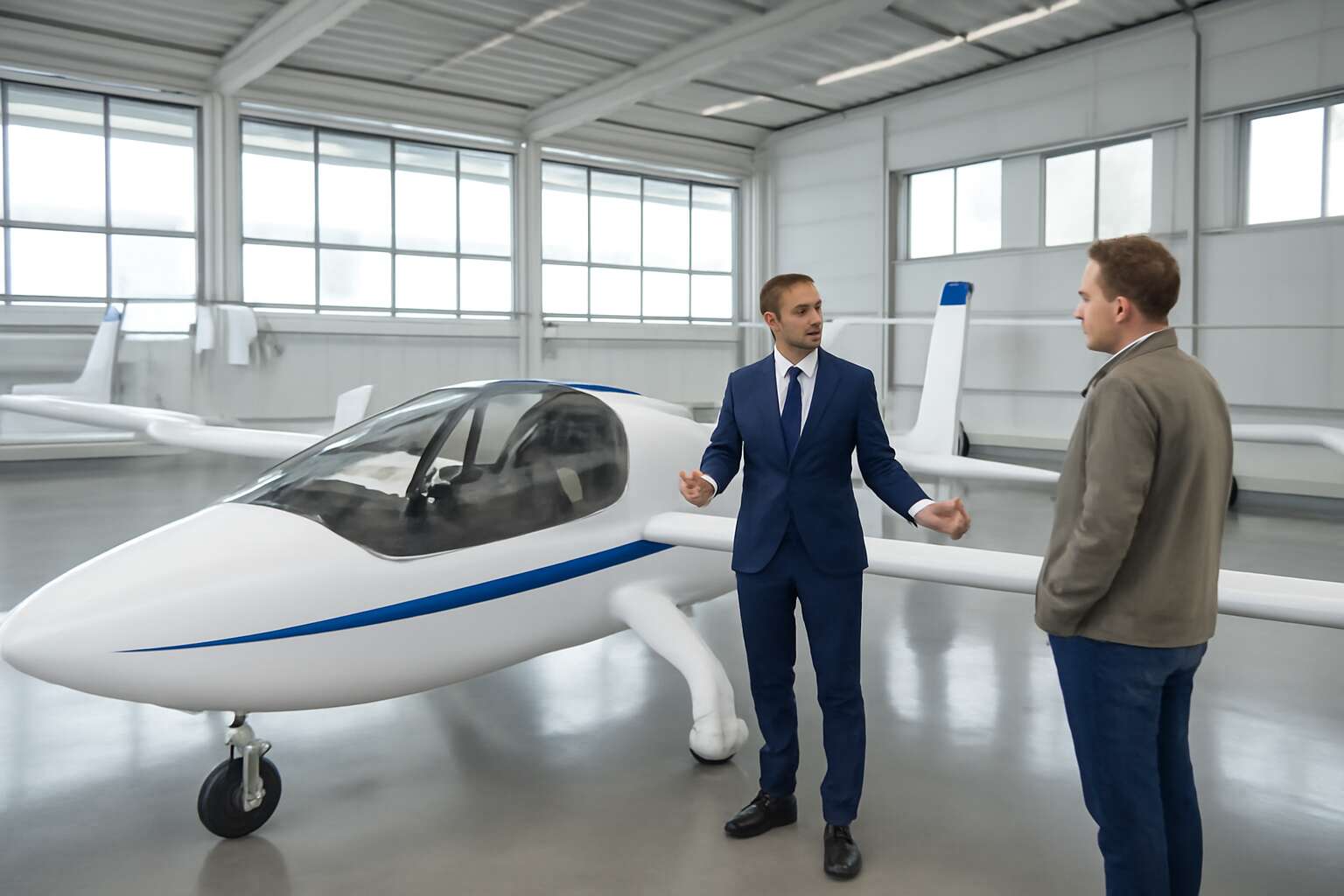
Glider Sellers: Landscape and Buying Options
Industry landscape and seller types
Across South Africa, the glider market unfolds like a quiet, purposeful tide. Who sells gliders? You’ll encounter manufacturers, regional distributors, clubs, and seasoned brokers, all contributing to a dynamic landscape. In 2023, SA clubs reported a 15% uptick in glider activity, a signal that accessible, well-maintained crafts are in rising demand.
From my perspective as a pilot, the landscape reveals a spectrum of routes to ownership. Official distributors ship new gliders from international makers; certified pre-owned models arrive through clubs and brokers; auction houses move surplus stock; private owners circulate aircraft via aviation networks. As one pilot notes, ‘flight is as much a community as a machine.’
- New gliders from authorized manufacturers
- Certified pre-owned models via clubs and brokers
- Auction and liquidation avenues
- Private sales through established networks
These channels shape buying options that balance cost, support, and long-term value, guiding buyers toward gliders that fit both budget and mission.
Where to buy gliders: primary channels
Across South Africa, 2023 brought a 15% uptick in glider activity, a telling sign that quiet, capable wings are catching more eyes. You might wonder who sells gliders, and the answer unfolds like a map: manufacturers, regional distributors, clubs, and seasoned brokers all shape the path to ownership. The landscape feels electric, as if the air itself is whispering about new possibilities.
New gliders arrive through official distributors shipping pristine machines from international makers. From the pilot’s seat, I watch buyers weigh warranties, support, and long-term maintenance. Certified pre-owned models travel through clubs and brokers, ready for a careful handover. Auctions clear surplus stock, while private owners move machines through established networks. Each channel carries its own rhythm, balancing cost, support, and long-term value for a mission-honed purchase.
- Official distributors
- Clubs and brokers
- Auction and liquidation houses
- Private networks
Evaluating sellers: pricing, warranty, and after-sales support
South Africa’s skies are thinning with possibility after a 15% uptick in glider activity in 2023, a bright signal that quiet wings are finding louder audiences. When the question turns to who sells gliders, the map splits into routes—manufacturers, regional distributors, clubs, and trusted brokers—each offering a different cadence to ownership. The landscape hums with possibility, and the scent of new chrome and seasoned leather hangs in the air.
Evaluating sellers demands a careful eye on pricing, warranty, and after-sales support. In the long arc of ownership, a transparent price becomes a sunrise; a robust warranty becomes a sheltering cloud; a ready service network becomes the runway that keeps a glider true through wind and weather.
- Pricing transparency and fair value
- Warranty scope, duration, and coverage for parts and labor
- After-sales support and access to service networks and training
Practical buying tips and post-purchase checks
Across South Africa’s skies, the glider market unfurls like a mythic map where who sells gliders becomes a guiding star. From manufacturers with storied airframes to regional distributors, clubs, and trusted brokers, each route offers a different cadence of ownership. The air tastes of possibility, chrome catching sunbeams and leather whispering of journeys yet to dawn.
Practical buying rests on curiosity, due diligence, and a concise post-purchase check plan. Think about flight history and airworthiness documentation, confirm local maintenance expertise, and arrange a hands-on familiarisation flight to sense the glider’s temperament.
- Airframe and controls: check for corrosion, wear, and signs of repairs
- Logs: maintenance history and upcoming service schedule
- Training: arrange a hands-on familiarisation flight with an instructor
- Documentation: transfer of ownership, registration, and insurance alignment
With these steps, the horizon stays clear and the wings stay true when the moment of takeoff arrives.
0 Comments